
Sermon for February 16, 2025
Readings:
Our gospel reading this morning from Luke, is Jesus’s “sermon on the plain,” which sounds a lot like the “sermon on the mount” but it is a little different. I will talk about that sermon more in a minute, but first I want to jump back to that letter we heard from the Apostle Paul. Our epistle this morning is Paul’s first letter to the Corinthians, one of his longest and most important letters. In that letter, Paul addresses many divisions and controversies going on in the church in Corinth. In this passage he zeros in on one issue. Some folks in the community are saying that there is no resurrection of the dead. What that essentially means is that they don’t believe in or really care about an afterlife. Actually I will be more specific, they don’t believe that physical human bodies will actually come back to life, in the flesh as physical beings at the end of time. They might believe in some sort of shadowy spirit realm; or they might just think that when you are dead you are a memory and nothing more. The world has always had plenty of people that have believed both of those things. But the belief in the resurrection of the dead that Paul is referring to is the belief that at the end of time, our souls will be restored in flesh and not just in spirit. It is a belief that even today many Christians don’t quite grasp. We think about a person dying and going to heaven, but we don’t think too much about a future day when the dead will be raised and heaven will be a place on earth. But that is a part of our faith and a part of our hope. It is a part of our creed. And Paul argues for the reality of the resurrection of the dead by pointing to Jesus.
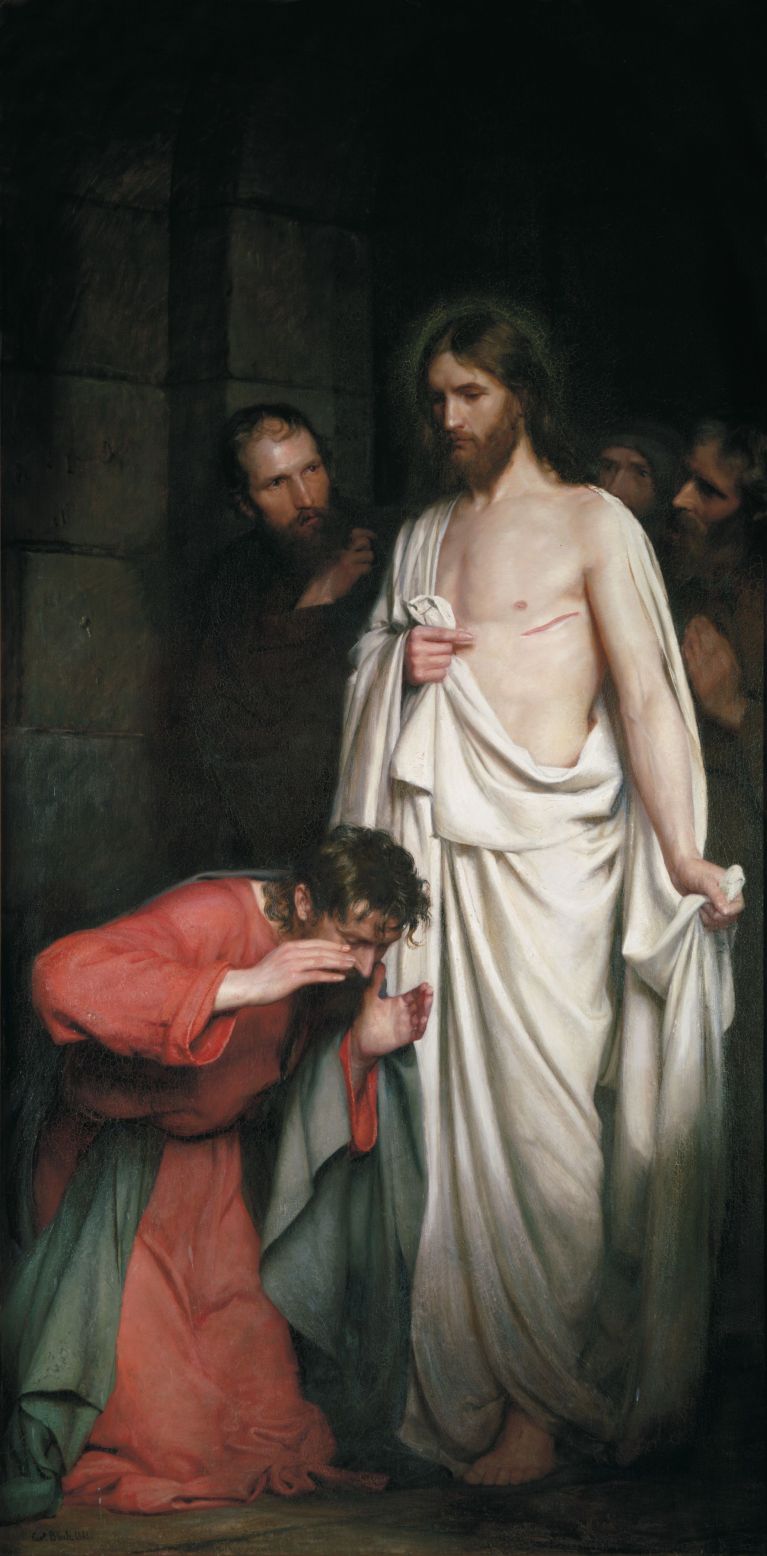
Paul says, “how can you say that there is no resurrection of the dead, when we say that that is exactly what happened to Jesus?” Our proclamation as Christians is that Jesus literally got up out of the grave. In the flesh. His body was transformed. It was a bit different. He had some different properties and powers. But it was recognizably Jesus. He ate. He drank. You could touch him. He was alive. Not dead. He wasn’t resuscitated, he was resurrected. He had defeated death. That is the resurrection of the dead. That is what we are talking about. And Paul says, “how can you say that that can’t happen, if the cornerstone of our faith is that it did happen?” He says, “look, if what you are saying is true, if there is no resurrection of the dead, if that truly cannot happen, then I guess it didn’t happen to Jesus. And if it didn’t happen to Jesus, then none of this means anything. None of it. Your faith has been in vain. There is no such thing as the forgiveness of sins. The dead are dead, and we are the biggest fools and of all people the most to be pitied. If Christ has not been raised, then our proclamation has been in vain, and your faith has been in vain. If Jesus has not been raised from the dead, then your faith has been in vain. That’s what Paul says.
What Paul did NOT say though, that you need to have a perfect understanding of the afterlife or the resurrection or your faith is in vain. Paul didn’t say that.
Paul did NOT say that if you don’t have all the answers your faith is in vain.
Paul did NOT say that you need to understand all of the mysteries of God or your faith is in vain.
Paul did NOT say that you need to understand why bad things happen to good people, or your faith is in vain.
Paul did NOT say that your church needs to have an auditorium, a soup kitchen, a thrift store, a basketball team, a coffee hour, a mission statement, or your faith is in vain.
Paul did NOT say that if you can’t fix the world, your faith is in vain.
Paul never said any of those things. Our faith does not rest on any of those things. Paul said that if Christ has not been raised, then your faith has been in vain. The power of our faith comes from believing in something that God did, not believing in the things we do. But in fact, Paul adds at the end, Christ has been raised. So our faith IS NOT in vain, our proclamation is not in vain. Our faith is not in vain so long as our faith is in what God is doing, or in what Christ has done, or in what the Holy Spirit is going to do. So long as our faith is in God and God’s actions, our faith is not in vain. If God raised Jesus from the dead, we have every reason to hope that he will do the same thing for us too. If God did not raise Jesus from the dead, then why are you here? Free coffee? If Jesus has not been raised from the dead, then why should we worry too much about what he has to say in the gospel today? It matters because he has been raised from the dead. That is why Jesus’s teachings were written down.
You know, we are pretty sure that Paul’s letters were written before any of the four gospels were completed. And if you read Paul’s letters you will see that he doesn’t record much of what Jesus had to say at all. Jesus’s teachings don’t factor prominently in Paul’s letters, but the fact that he was raised from the dead DOES. The proclamation of the resurrection came first and THAT is what gave power and authority to Jesus’s words when people finally heard them. I think that it is interesting that in the mass this morning, before you get to hear Jesus’s sermon on the plain, you have to hear Paul’s proclamation that this man was raised from the dead. Paul is going to tell you that Jesus was raised from the dead, before you can decide whether or not you like what Jesus has to say.
So when we hear “blessed are you who are poor.” When we hear “blessed are you who are hungry, blessed are you who weep, blessed are you when people hate you,” when we hear these things and hear Jesus’s promises of fulfillment and reversal, We are hearing a message from someone who knows a little something about reversal. We are hearing from someone whose death has been transformed into life. We are hearing from God. This is not just any speech from any old philosopher. These aren’t just nice words. These are blessings and promises from God. The blessing is that God sees your suffering; the promise is that he is going to do something about it.
But before we run off simply rejoicing in this good news and in this divine promise, this same Son of God shares with us warnings to go with the promises: reversal can work both ways. If you are rich, if you are satisfied, if you think life is a big joke, and if everyone is shouting your praises, enjoy it while it lasts but be warned: things can change. Don’t assume that you know how history is going to end, because you don’t. Things can change. That is what Jesus says to the disciples in his sermon on the plain and it is both a promise and a warning. The end of all things is in God’s hands. If you are suffering now, remember that the end is in God’s hands. If you are comfortable now, remember that the end is in God’s hands. If God has defeated death, if Christ has been raised, if the resurrection of the dead is real and if our proclamation and our faith is not in vain, then God will have the last say in all things. That is something worth having faith in.
 Inwardly Digest