
The Greatest Love of All

Standard

Sermon for Sunday, May 19th, 2019

Readings:


What is love?


What does Jesus mean when he says, “love one another”?


Well before we answer that, I think there is another question we must ask:


Who are you willing to die for?


That may seem like an odd question to follow with, maybe it seems severe, but think about it for a moment. Put aside for a moment your secret list of individuals you think the world would be better without, and think about those people that you are pretty sure you would risk your life to save. I’m willing to bet that most of you have at least a few people that you hold so dear that you would risk anything to protect them. Your children perhaps. Maybe your spouse. The people in your life that you depend on; the people you are closest too.


If you have been in the military or worked in law enforcement or served as a firefighter or first responder, perhaps your job has called you to risk your life for someone. Maybe a buddy or a partner…maybe even a complete stranger. It takes special people to do that kind of work, because let’s face it, for most of us, the list of people that we would be willing to die for is pretty short.


The will to stay alive runs deep in our veins as a species. Throughout the natural world there is this drive, this deep desire to stay alive, to survive. It takes a lot to override that. There might be only a handful of people in your life that you can imagine doing that for. I think that is normal, but think for a minute about those people. Think about who you would willingly accept death for in order to save. Who would you take a bullet for?


Why do I ask? Because those are the people you reallylove. Those are the people that you love with the approaching the love of Christ.


Now you may be thinking, “hold on a sec! I love lots of people, that doesn’t mean I am ready to die for them. This is just an extreme example. There are lots of types of love.”


Well maybe there are lots of types of love, so perhaps we should be clear what we mean when we use that word. And perhaps we need to be clear what Jesus means when he uses it. I get a little nervous when I see or hear the word “love” used in churchy circles, especially when I see it used as a slogan or as a buzzword or as a way to market Christianity or the church. I get nervous because love is such an overused word in our society and we have been trained by television and music to think of love as some sort of greeting card fuzzy feeling that we all want and that is the key to all the world’s problems. All you need is love. Love, love will keep us together. Love, soft as an easy chair; love, fresh as the morning air.


I’d like to build the world a home

and furnish it with love

grow apple trees and honey bees

and snow white turtle doves


I’d like to teach the world to sing

in perfect harmony

I’d like to buy the world a coke

and keep it company


Ok. That’s cute, but is that what love really is? Is that what Jesus is talking about when he says love one another just as I have loved you? Go buy someone a Coke? What is love? What does Jesus mean when he says love?


I am reminded of the scene in the Princess Bride where Inigo Montoya says: “You keep using that word, I do not think it means what you think it means.”


I do not think the word love means what we think it means when we use it to describe sunshine, lollipops and rainbows and everything that’s wonderful. When Jesus talks about Love, when he commands his disciples to love one another, is he talking about some warm and fuzzy (or peaceful, easy) feeling? Is love some a many splendored thing? Is it nature’s way of giving, a reason to be living? or is love the exact opposite: a supernatural force that calls us to sacrifice everything, even our own lives?


Walk in Love as Christ loved us and gave himself for us an offering and a sacrifice to God.


That is our offertory sentence that we hear every week; it is also a line from Paul’s letter to the Ephesians, but what does it mean to walk in love?


It would be easy to just redefine to be something easy like a feel-good emotion, or like self-esteem, like just holding hands and singing kum bah yah like the only thing standing between us and world peace is one great big hippie love fest, but is that the love that God has shown us? What if it’s not that easy? When we discover that love comes at a price, that it isn’t easy, we might be tempted to draw the circle smaller to limit the number of people we feel obligated to love: let’s just love our families, or our like-minded Facebook friends, or let’s just love people that are loveable, but is that how people will know that we are followers of the man on the cross?


What is love? What is love to Jesus? What is the love of our God? Paul’s line says it all, I think.


Walk in Love as Christ loved us and gave himself for us an offering and a sacrifice to God.


Love is giving.

Love means offering yourself.

Love means sacrifice.


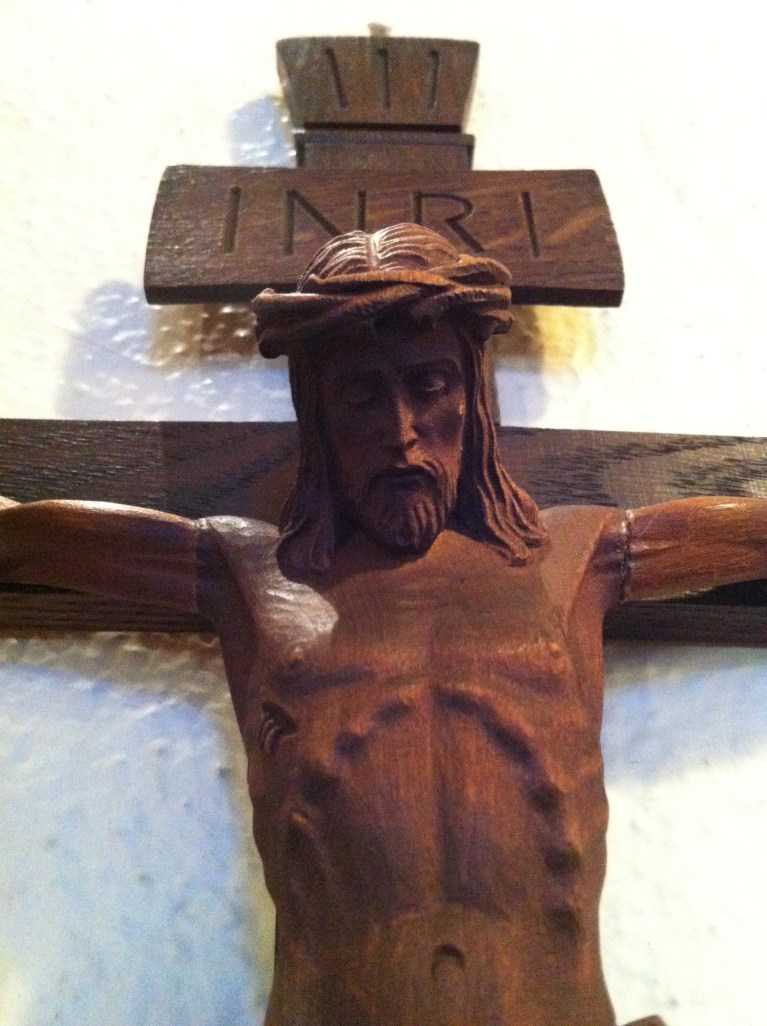
What does that look like? Well ultimately, we believe it looks like this. The cross. This symbol of cruelty and death and shame, becomes for us the reminder of where true love, real love leads. It leads to sacrifice. This is the extreme symbol of sacrificial love; a love that wills the good of another to the point of personal loss. A love that has no self-interest; a love that doesn’t seek personal glory or comfort; a love that is so deep and complicated that you can’t slap it on a greeting card or a bumper sticker. This kind of love, the love of Jesus, the love of the cross…this is the world’s worst marketing campaign, because who wants love that promises pain? It doesn’t make sense why anyone would choose this kind of love…it doesn’t make sense, until that moment when you look into the eyes of someone that you would be willing to die for.


Then you get it. When your will for the good of someone else is stronger than your will to live, then you get it. It might just be in those moments when you are willing to lose everything for someone else that you are seeing the world through God’s eyes. Those moments might just be the only moments when we really understand love. Love seems like an easy emotion until we realize that real love costs something.


A little later in John’s gospel, Jesus says again: “This is my commandment, that you love one another as I have loved you. No one has greater love than this, to lay down one’s life for one’s friends.”


I’m sorry but the greatest love of all, isn’t inside of me; it isn’t easy to achieve and it isn’t learning to love yourself. Maybe those words would make great lyrics to a song, but they don’t make great theology, because that is not the love that was revealed to us by God. According to Jesus the greatest love of all is the love that calls us to the cross; it is love that involves sacrifice.

What is love? This is love.

Avoiding answers

Standard

Sermon for May 12th, 2019

Readings:

I was looking ahead a few weeks on my calendar recently and I noticed that I had scheduled a doctor’s appointment for my physical. I must have booked it months ago and forgotten about it. Well no sooner did I see that appointment then I started thinking to myself: how can I get out of this? Maybe I can double book myself that day. Maybe I will be too busy for one reason or another. I feel reasonably healthy right now, so maybe I should just cancel.


So many reasons not to go.


But of course, even if I do go, I can always find reasons not to trust what the doctor tells me. I can tell myself that his scale needs to be recalibrated, or that my clothes or shoes are particularly heavy that day; or I can tell myself that his tests are faulty or not trustworthy; I can tell myself that his science is flawed; and if none of that works, I can try to pick my doctor apart, saying things like: why should I listen to him? he looks like he could do a few more push ups.


I am looking for reasons not to go; I am looking for reasons not to believe the doctor or to trust him. I feel mostly OK right now. If I wanted to, I could probably convince myself that I’m pretty healthy, that nothing is wrong, nothing is broken. If I let the doctor start poking around, he might tell me something I don’t want to hear. He might try and come between me and my relationship with butter and bacon. He might tell me that I need to change something in my life, and then I am going to be left having to make this decision that I don’t want to make.


If I decide to listen to this man, and trust this man and accept that what he tells me is true, then I am going to be faced with a much worse decision: I will have to decide to actually listen to his advice and possibly change my life, or I will have to decide to knowingly reject what he has to say and accept full responsibility for the consequences. That’s a tough decision. That’s not a decision I want to make. I don’t want to have to change if it is going to interfere with doing something that feels good or eating something that tastes good. And I don’t want to accept the consequences or the responsibility if things start to go badly for me. So what is the easiest way out? Don’t go to the doctor. Plead ignorance. Argue with the data. Question the doctor’s judgment; question his integrity. If I let myself believe that this doctor actually wants to lead me to health and vitality and life and has the power to do it, then I will be forced to make the decision to follow him or not. That may sound like an easy decision to you, but you would be surprised how hard it is for people to make. It is amazing the mental backflips we can put ourselves through to avoid dealing with the truth sometimes.


Humans have always been that way though. We are always looking for a diversion or the escape clause or the loophole that will allow us to avoid facing the truth; to avoid making that tough decision to follow or reject; we look for delaying tactics that will allow us to not make any substantive changes in the way we see the world or in the way we live our lives. We don’t want new information if that new information might require us to respond or change. Ignorance is bliss sometimes. If we can be willfully ignorant, and that is different than plain ignorance; plain ignorance is not knowing something; willful ignorance is not knowing something and not wanting to know it, avoiding it. If we can be willfully ignorant then we don’t have to deal with the truth when it tries to confront us.


Sometimes, believe it or not, sometimes asking questions is a way to avoid dealing with the truth that we have already been confronted with. Sometimes questions are a way of avoiding answers.


Don’t get me wrong, questions are good. Questions are how we find answers. Questions are important to our faith formation. People asked Jesus questions all the time. Jesus asked questions in return. We don’t have to be afraid of questions. But we do need to be aware that sometimes when people asked Jesus questions they were looking for the truth, and sometimes when they questioned him, they were avoiding it.


“How long will you keep us in suspense? If you are the Messiah, tell us plainly.” How many times has Jesus heard this kind of a question?


He can’t be the messiah can he?

How can he say I have come down from heaven?

How can he give us his flesh to eat?

Who can accept these teachings?

How does this man have such learning? Where did he go to school?

When the Messiah comes will he do more signs than this man has done?

Surely the Messiah doesn’t come from Galilee does he?

Who are you?


Read through the gospels. How many times was Jesus questioned about who he was? How many times did he answer those questions, not just in words, but also in deeds and actions? So it is no wonder that Jesus gets a bit exasperated at once again being faced with the same questions. He says “I have told you and you do not believe.” The truth is, and Jesus knew this, some people just don’t want to believe. Some people just don’t want to believe.


They keep asking question after question after question, not because they seek the truth, but because the truth is, well the truth is right in front of them and they just aren’t prepared to acknowledge it. It’s scary. It’s risky. Because if they admit that this man is a man unlike any other. If they acknowledge that he has power and wisdom unlike anything they have ever witnessed before. If they accept that he is who he says he is, well that is going to force them to make a decision. Sometimes we come to a point where the question has been answered and we have to decide how we are going to respond to the answer that we have been given. Are we going to follow this man or not? Are we going to listen to his voice or not?


Even today there are plenty of people in the world that don’t want to believe in Jesus. I’m not talking about people that are legitimately struggling with belief, people that have deep questions, I am talking about people that deep down don’t really want to believe, because if they come to believe that this man is who he says he is that is going to force them to make a decision to follow him or not. So people look for reasons not to believe. People try and find a way to unplug Jesus, so they will try and pick apart the scriptures, or they will point to the failures of Jesus’s followers…anything that will give themselves permission to not believe. I get it. It’s an easier path.


Deciding to trust that Jesus actually is the Messiah, the son of God is a scary thing, because if we believe that he actually is who he says he is, then that means that everything that man ever said suddenly is of supreme importance. It means everything he taught, everything he did, now has eternal significance for our lives, so we can’t ignore him anymore. When Jesus is just some Jewish prophet or a good man or a good teacher, then we could ignore him, then making a change in our lives wasn’t such a pressing issue, but once we know that what he says is true…


well at one point Jesus asked his disciples: “Do you wish to go away?”


and Peter answered him “Lord, to whom can we go? You have the words of eternal life. We have come to believe and know that you are the Holy one of God.”


If I truly believe that this is the holy one of God and that he has the words of eternal life, then where else can I go? If I recognize his voice to be the voice of the good shepherd, my shepherd, then I am bound to listen when he speaks and follow where he leads and there is a good chance that that is going to mean making some changes in my life. I understand why people don’t want to believe in Jesus, in the same why I understand people that don’t want to go to the doctor. Because there is a good chance he is going to tell you something about yourself that you don’t want to hear, and there is a good chance he is going to ask you to do something that you don’t want to do. But if I want health, then I dare not turn away from the source of health, and if I want life then I dare not turn away from the source of life. Jesus isn’t afraid of my questions, so maybe I shouldn’t be afraid of his answers. Maybe I need to deal with the truth that he wants to show me. Maybe deciding to trust him and follow him, and finally believe that he is who he says he is the best and most critical decision I will ever make.


We can only avoid truth for so long. And one truth that I am painfully aware of, is that no matter how much time I spend at the doctor’s office, how many drugs I take or how much kale I eat, there is one sickness I am never going to avoid and that is death. Sin and death are a disease we humans have never managed to cure. Oh sure, I am going to try and take care of myself because I want health and vitality, but nothing I do is going to help me cheat death and no matter how hard I try, I am never going to overcome my own sinfulness, not completely. In the history of the world only one doctor or healer has ever proven that he has power over death, only one doctor that has the key to eternal life, only one man has the solution to damage caused by sin, only he didn’t call himself a doctor…he called himself a shepherd.

When the man comes around

Standard

Sermon for Sunday, May 5th, 2019

Readings:

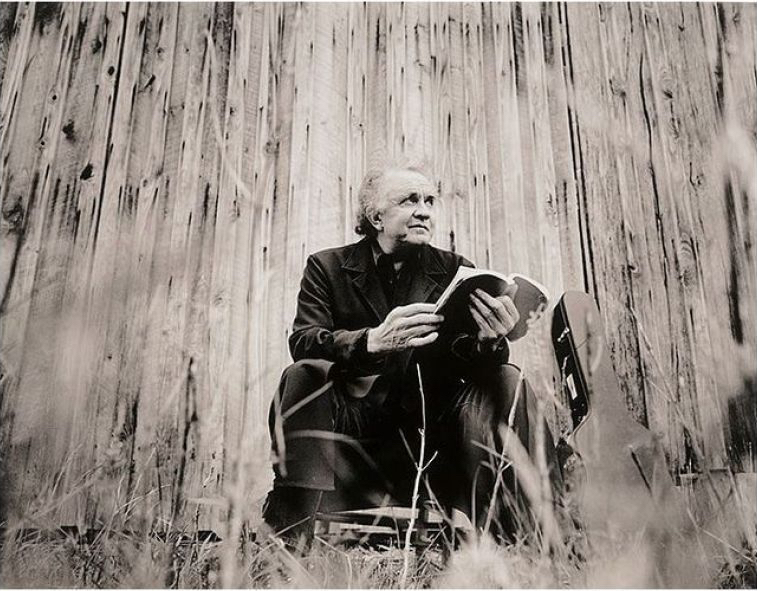
Near the end of his life, Johnny Cash had a dream.


And in this rather bizarre dream he was at Buckingham Palace and the queen referred to him as “a thorn tree in a whirlwind”. It was an odd image and when he woke up he pondered what it must mean. The image wouldn’t leave him alone.


A thorn tree in a whirlwind.


For him I think it signified a powerful force of nature stripping off the thorns of this world and off of us. Johnny was intrigued by this image and as a man of faith he began digging into the scriptures to see if he could find some biblical source. He began in the Book of Job, but where he found this dream or vision most strongly reflected was in the Book of Revelation. The imagery there was complex and strange and dream like. Johnny didn’t understand every image or reference in Revelation, just like we don’t always understand everything we see in our dreams, but what Johnny found in his journey through the Book of Revelation was a vision. A vision of the end of all things, a vision of a powerful force stripping the thorns off this world, a vision that he could only express in the way he knew best: in song.


The result of this dream and this journey through scripture was that at the very end of his life, Johnny Cash wrote and recorded, what for my money is his greatest song. When the man comes around.


Now if you have never heard “when the man comes around” I strongly suggest you go home and listen to it, but I will warn you it isn’t a song that tries to tell a story, it is a song that tries to show you a vision. It is a song filled with lots of biblical references and images, mostly from the Book of Revelation, and you may not get, or understand them all, and that is OK. It isn’t supposed to be a story with a beginning a middle and an end like some songs. You don’t have to understand it all to appreciate the vision. But what is fascinating about this song is that it is written and sung by a man very near the end of his life, and he is singing about the end of all things, the end of the world. He talks about death and destruction and judgment and yet, his voice and his music is full of hope, and the tempo is upbeat and there is this sense of joyful expectation.


That’s not how I was originally taught to read the Book of Revelation. Revelation has usually been presented to me as a scary book. An apocalyptic book of fire and brimstone and mysterious symbols and destruction. A book that you have to be an expert bible scholar to understand. It is frequently presented as a book of prophecy that details in masked language the end times. There was that whole “left behind” series that treated revelation as some sort of blueprint that predicts exactly how God is going to end it all. But maybe that isn’t the best way to read Revelation. Maybe the fact that we mostly focus on the destruction in Revelation says more about us than it does about God.


The Psalmist says that God’s “wrath endures but the twinkling of an eye, his favor for a lifetime, weeping may spend the night but joy comes in the morning.” We pay so much attention to the wrath sometimes, but that is momentary; God’s favor and grace is what lasts a lifetime. What we pay attention to in scripture, and what we dwell on can say a lot about us. There is so much more to Revelation than doom and destruction. There is worship and praise and singing and new life and new creation. We get readings from Revelation during Eastertide and I urge you to pay close attention to the image or the vision of eternity that these readings paint.


Angels surrounding the throne and singing with full voice

Every creature in heaven and earth and under the earth singing

All the elders fell down and worshipped


Singing and worship. That is the image we are given in Revelation today. And if you decide to sit down and study the Book of Revelation sometime and read through it, challenge yourself to see the whole picture that it is painting. Yes there is the last trumpet, but there are also angels singing, and yes there is smoke and fire but there is also incense and candles. What is the ultimate end that the author wants us to see? It is the singing and the worship. So maybe the best way to appreciate Revelation is to sing about it. If we really want to appreciate where we are headed, as people that are washed in the blood of the lamb, as people that are invited to his table, it should be through song.


I have to say I studied the Book of Revelation for years, but Johnny Cash really helped me to love it. Hearing an aging man sing about the ultimate end of existence, helps me to appreciate the vision in a way that the words alone never could, because the vision that is being painted in Revelation is not that God is just destroying things. He is stripping the thorns off, that’s for sure, but this isn’t just destruction. God is creating a new reality. He is setting right things that have gone wrong. He is bringing his children home and he is doing it in song. God children were made, created to sing around his throne, and finally that is what they are getting to do. They are singing around his throne. You can’t just tell that story. You need to sing it.


Now you might be thinking that country music isn’t your thing, but don’t worry. Johnny Cash was not the first person to realize that Revelation needed to be sung. In fact there is quite a long tradition in the church of singing about the vision in Revelation. If you have ever been to a traditional requiem mass, there is a sequence called the Dies Irae. It’s basically the Medieval Latin version of “When the Man comes around” and it has been set to music by some of the best composers including Mozart. If you sit down and read the words it may seem severe, especially by our standards these days. But it wasn’t written to be read. It was written to be sung. When you hear it sung you get a vision of the beauty of what God is doing that the words alone can’t convey.


Music touches a part of us that words alone just can’t. That is why music is such an important part of worship. It touches us somehow inside, even when we aren’t the ones doing the singing. If you have ever been given goose bumps or brought to tears by a song then you know what I mean. And worship and praise fill a need in us, feed us, in a way that simply nothing else on earth can do, and there is a reason for that: because that is the way God has designed us. We aren’t just capable of wonder, love and praise…that is what we were created for. And when all of the thorns of this world are stripped away and we can finally be what God created us to be, as God created us to be, we may not need the sun and the stars, but we will still need music. There will still be singing.


So if you expect to be a part of the heavenly choir someday, you might as well start practicing now. That is part of why we are here. You know mass isn’t a performance, it isn’t a lecture, it isn’t a social gathering, or a self-help group. It’s a foretaste. It’s a vision. It’s a glimpse of our eternal destiny. The children of God. Redeemed by the blood of his son. Gathered around his throne. Fed at his table, singing his praises. This is worship and it is like nothing else we do in life and it feeds us in a way that nothing else can. And you don’t have to understand every symbol to appreciate the beauty of the vision.


Singing isn’t the only way to praise God, and church is not the only place where God can be worshipped, but worship and praise should be at the core of everything we do here in church, from printing the bulletins to cooking the food to mopping the floor or lighting the candles. Worship and praise are a fundamental part of who we are; that is what Revelation has revealed to us and that is the vision that we need to show the world.


Sure there is judgment in revelation. There is pain. Some things are cast down…they have to be, because this is, as Johnny says, “Alpha and Omega’s Kingdom Come.” All other kingdoms must give way. But after all that is past, what Revelation shows us is an eternity of worship and praise. That is the real end. That is our real destiny. When the man comes around, that is what his new world is going to look like. We aren’t destined for destruction. We are destined for praise.


Blessed are those who choose to believe.

Standard

Sermon for April 28th, 2019

Readings:


It is one thing to have sincere doubts and questions about one’s faith; it is quite another to take pride in disbelief.

On the one hand you have someone that is genuinely unsure, looking for answers and open to truth; on the other hand, you have someone that is closed off, unwilling to question themselves because they are convinced that they already have the truth.

Thomas crosses that line in today’s gospel.

All of Thomas’s friends have testified to him that they have seen the risen Lord. They have seen the resurrected Jesus. They had an experience that Thomas didn’t have and they share with him the good news. And Thomas’s response is revealing. He doesn’t say “could it be?” he doesn’t say “maybe” or “how is this possible?” He doesn’t for a moment question himself or his understanding of the world or reality. Instead his response is “I will not believe.” Unless I actually see his wounds, unless I actually touch his body, I will not believe. His closest friends have just testified to something they know to be true, and Thomas cannot for a second question himself. He can’t let himself be wrong, not even for a moment. We often refer to Thomas as “doubting Thomas” but the truth is Thomas has a tremendous amount of faith…in himself. Thomas only doubts others…he doesn’t doubt himself. He doesn’t believe and that is a matter of pride for him. He doesn’t want to believe, because if he did believe this unbelievable tale he might start doubting himself. He might have to doubt his ability to understand the universe and his role in it. He might have to doubt his social standing or his intellect. He might have to doubt his understanding of life and death. He might have to doubt some of the limits he has placed on God’s power. Thomas doubts others because he can’t bear the thought of doubting himself.

Thomas is forced to question himself though. He has an experience of the risen Lord that shakes him to his core. Jesus stands before him, in the flesh, wounds and all, and Thomas is invited to touch him. And all Thomas can muster to say is “my Lord and my God.” Thomas’s whole world, a world that had been propped up by his own phony self-confidence, just came crashing down. And while I am sure that there was tremendous joy in Thomas at seeing his resurrected friend, I am also sure that that joy was mixed with fear and trembling and angst, because Thomas’s whole world has just been turned on its head.

“Do not doubt but believe,” Jesus says to Thomas. Or maybe to put it another way: “be willing to doubt yourself, in order to believe in something greater.”

You Thomas, have come to believe because you have been given no choice, but blessed are those that choose to believe.

Choosing to believe the gospel can come at a great price though; a price that even many who consider themselves to be followers of Jesus are still unprepared to pay. Choosing to believe the gospel can mean sacrifice. It can mean sacrificing the idea that we fully understand the world around us. It can mean sacrificing our confidence in our own intellect. It can mean admitting that we are not quite as smart and evolved as we like to think we are. It can mean admitting that we are not better than other people, like we secretly like to tell ourselves that we are. We do that too, we pride ourselves on not being like those people, those ancient people, those superstitious people, those tacky people, those poor people, those people without multiple letters after their names. Admitting that the gospel might be true, means choosing to let go of a lot of myself, and that is a price that even some people who truly love some of the things that Jesus had to say, struggle to pay. They, like Thomas, are more comfortable with Jesus as a dead teacher than as a living Lord and God. This is not new.


Now if Christ is proclaimed as raised from the dead, how can some of you say there is no resurrection of the dead?

If Christ has not been raised, then our proclamation has been in vain and your faith has been in vain.

If for this life only we have hoped in Christ, we are of all people most to be pitied.

But in fact Christ has been raised from the dead, the first fruits of those who have died.


That is what Paul had to say in his first letter to the Corinthians. Now, that’s not one of our readings this morning, so you won’t find it printed in your bulletin. But it is a word I think we need to hear this morning.

You know, the Apostle Paul was one of the first people to put pen to paper and write about this man named Jesus. And Paul didn’t have a nice leather-bound bible with the gospels of Matthew, Mark, Luke and John in it. The gospels, the books of the bible that tell the narrative story of Jesus’s life and teachings, they weren’t written yet, or they were just starting to be written, but Paul didn’t have copies on his desk. And the church in Corinth, they didn’t have copies of the gospels yet either. What they had was the tradition that Paul proclaimed to them. The good news that they knew, was the good news that had been handed on to them by Paul, which was the good news that he received from the other apostles. And the essence of the good news, the gospel, the most important thing that Paul wants to share with them, is that last sentence I just quoted a moment ago:


“But in fact Christ has been raised from the dead, the first fruits of those who have died.”


You can accuse Paul of many things, but you cannot accuse him of doubting the resurrection. But that was not always the case. Paul, like Thomas, began as someone brimming with self-confidence that doubted everyone but himself. Paul also had an encounter with the risen Lord, that shook him up, knocked him off his donkey and made him realize how bind he had been all along. Paul needed to be shaken up, he needed to doubt himself in order to truly understand and appreciate who this man Jesus really was. And Paul’s letters, the first written documents we have about Jesus, they are all about how Jesus rose from the dead and subsequently what that means for how we should live in the world. That is the message that Paul wants to convey: Jesus Christ is alive and now what are you going to do about it. Paul does not spend a lot of time talking about everything Jesus said or did during his life. Paul doesn’t record Jesus’s teachings. Paul begins with the most astounding, unbelievable, reality shattering and doubt provoking proclamation about Jesus Christ. Paul doesn’t let you wade into the water with something non-controversial and benign like “do unto others” he throws you right into the deep end with “Christ is risen.” Think about that for a second. If you had ten seconds to tell someone the most important thing about Jesus Christ, what would you tell them? Paul can do it in less than ten words…Christ has been raised from the dead.


Before we talked about the Golden Rule, before we had the words of the Sermon on the Mount, before we had “love your neighbor”, or “forgive your enemies,” before we have any words he spoke, before we have any records of miracles or healings, before we are allowed to form an opinion of this man…we are told that he was raised from the dead. The hardest thing to believe is the first thing we are told. Why does Paul do that? Well, maybe it is because Paul knows all too well just how dangerous too much self-confidence can be. We talk about self-confidence nowadays as if it were only a virtue, but it isn’t you know. It is entirely possibly to be completely confident and completely wrong at the same time. Many of history’s worst figures were brimming with self-confidence. When Paul shares the gospel, he begins with the Resurrection. It isn’t some extra bit that is tacked on by a later generation of believers, it is right there from the beginning. Paul begins with the part of the story that turns your world upside down and forces you to doubt yourself and your understanding of the world around you. Paul’s Jesus, the first Jesus we ever hear about, is not just some rebel rabbi put to death by the Romans; he is a resurrected Lord that forces us to choose between putting our ultimate faith in ourselves and our own understanding of the world, our putting our faith in a God that is more powerful and more mysterious than we could ever imagine. Choosing to believe in that kind of a God, and choosing to doubt ourselves, is a powerful choice; it is a difficult choice, but it is the most important choice we can ever make. Blessed are those who choose to believe.


We are in the midst of our Easter season, the time of the year when we very boldly proclaim Christ’s resurrection from the dead. Now the truth is we are always proclaiming Christ’s resurrection from the dead, but in Easter we do it in a big way. And just about every year the media finds someone they can trot out, usually some clergy person, to question if Jesus actually did rise from the dead and if that is really important. This year, was of course no different.


There was an opinion piece in the New York Times this past week, which was so unoriginal that I don’t suggest you waste your time reading it. Basically, the head of a prominent seminary in New York, and a Christian Minister of some variety, was interviewed and proclaimed that belief in the physical resurrection of Jesus Christ was really not that important to her faith.  I think it’s sad, but it’s not news. Since that first Easter Sunday there have always been some people that have taken some measure of pride in disbelief, even among the followers of Jesus. There have always been, and probably will always be, people that value every type of doubt but self-doubt. I’m sure that Jesus loves them as much as he loved Thomas or Paul. I must admit though that I don’t get it. If I didn’t believe in all of this I would go and find something else to do. I could be a person of faith, but it wouldn’t be the Christian faith. Sure, Jesus was an excellent teacher, and a brilliant and compassionate man, but that is not why his teachings were recorded and that is not why we are called by his name. John our gospel writer this morning, like Paul, makes it very clear why he is telling the world about Jesus and why he is sharing his words: “these [words] are written so that you may come to believe that Jesus is the Messiah, the Son of God, and that through believing you may have life in his name.”

Blessed are those who choose to believe.

Not just a building

Standard

Sermon for Easter Sunday 2019

Readings:

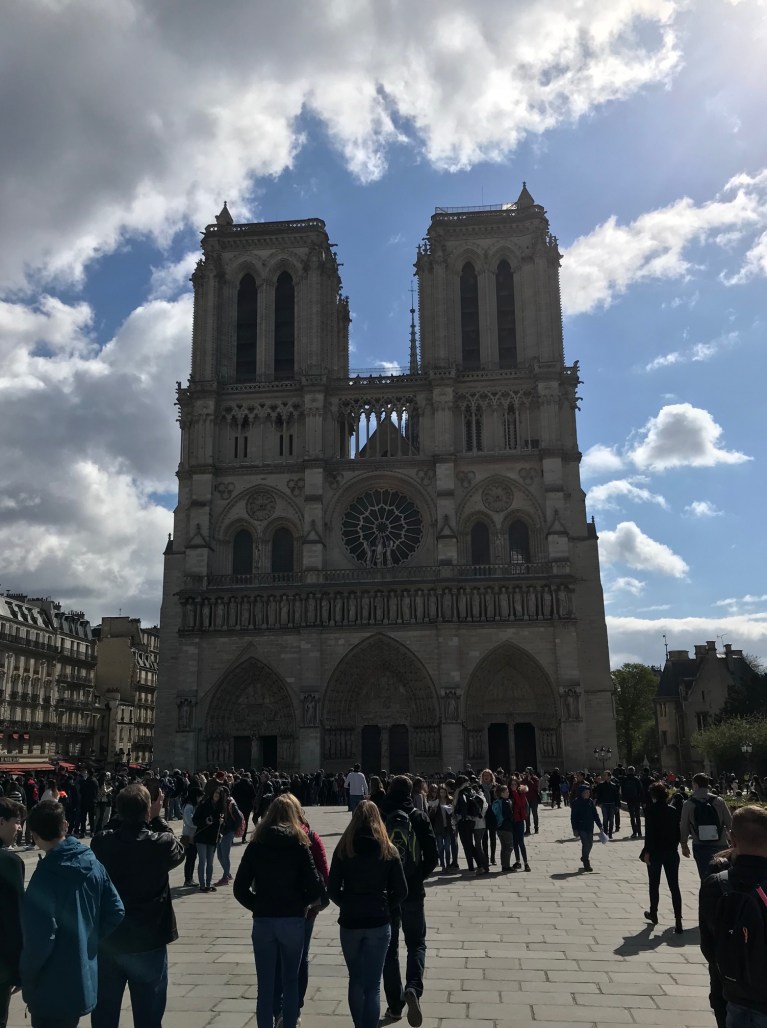
It’s just a building.


That is what I kept telling myself Monday afternoon. It’s just a building. Just bricks and mortar and wood. But I was lying to myself and I knew it. It wasn’t just a building.


The strip mall down the street is just a building. The gas station on the corner is just a building. This wasn’t just a building. This was a symbol. It was a symbol of a country and a culture that I love; it was a symbol of one of the world’s great cities; It was a symbol of a time in history that fascinates me; most importantly is was a symbol of my faith; it was a symbol of so much that I have dedicated my life to. It was a temple, and it was in flames.


I can imagine what the children of Israel must have felt. The children of Israel twice had to see their temple burned to the ground. What a horrifying thing to witness: to see a symbol that is a part of your identity, a thing of beauty and a testament to that which is holy, crumbling in front of you. Great buildings, are more than just four walls and a roof. Great buildings are symbols that remind us of who we are, where we came from and where we are going. They tell a story. They have a personality and a life; and maybe they don’t have an immortal soul like a human, but nonetheless they can have a spirit or an air that is all their own. They can touch our souls and change us, so to lose one, or at least to see devastating damage done to one, it’s like seeing someone you love suffer. It is heartbreaking, I can’t think of any other words for it.


And whenever something heartbreaking happens, we humans, we have this tendency to rush in with buckets of platitudes to try and make everything alright again. We want to put the fire out in our hearts; we want to throw words on it to make the pain go away. So we say things like “it is just a building,” or “we will rebuild,” or “at least I got to see it,” or if, God forbid, we should lose a loved one, a person, someone might say something like “he or she will live on in our hearts and in our memories.”


I’m sorry, but that’s just not good enough for me. I want more than that. I want the beauty back. I want the life back.


I want more than memories and photographs. I want what was lost restored. And the hard and bitter truth is that we don’t have the power to do that. Not even with buildings. We can rebuild. We can replicate. We can create new buildings and new lives, but we can’t resurrect. We can’t take the dust and ashes and turn it back into what it once was any more than we can take a body out of the grave and make it breathe again. We don’t have that power. We can fix things; we can give them a face-lift; we can try and replicate things that have been destroyed, but we can’t resurrect them.


That is a heartbreaking thing to realize. We humans are capable of such beauty. We are beautiful and we can create beautiful things, but we can’t hold on to beauty forever. Sometimes all it takes is a simple accident for us to be made painfully aware of how fragile our beautiful existence is.


In such moments, we are tempted to despair. But then I saw something as I was watching the devastation and listening to the early predictions that all may be lost. People, strangers most likely, in the distance, watching the fire from across the river, watching their temple and the symbol of so much they love and cherish turn into ash, people stopped and gathered together and sang.


And not just any song. A song that was also a prayer.


Je vous salue Marie comblée de grâce,

le Seigneur est avec vous.

Vous êtes bénie entre toutes les femmes

et Jésus votre enfant est béni.

Sainte Marie Mère de Dieu

priez pour nous, pauvres pécheurs,

maintenant et à l’heure de notre mort.

Amen, amen, alleluia.


Hail Mary, full of grace,

The Lord is with thee

Blessed art thou among women

And blessed is the fruit of thy womb Jesus.

Holy Mary, mother of God

Pray for us sinners,

Now and at the hour of our death.


That is what they were singing. What was it that gave those people the courage and the power and the will to sing while watching parts of their beautiful temple fall to the ground? It was faith. Faith in a story. Faith in a promise. Faith in their God. It was the faith that this temple was a witness to. The same faith that inspired their ancestors to build that temple in the first place. Some of the people were crying, but through their tears they were singing the angelus, an ancient prayer that you may know, that tells the story of a young Jewish girl who was told by an angel that she would give birth to the son of God. This building was dedicated to her and every stone of that building, every piece of glass, was put there to tell the story of how her child defeated death and destruction for all of us.


This woman’s son was dead and in the grave. The temple of his body was destroyed, on its way to become dust and ashes, and after three days of grief and despair, another woman came back from his tomb with this most unbelievable tale. He was alive again and more beautiful than ever. And then others saw him; they touched him. This was no fond memory, no hallucination. This was the very man they loved restored, no, not really restored, resurrected. He walked among them for forty days, and before he left them and ascended into heaven, he challenged those that knew him and loved him to go out and tell the world his story. Tell the world how God has defeated death. Tell them how God can give new life to things that have been destroyed. Tell them how God has promised new life now to those who live their lives in him. Tell them how all beauty really belongs to God and tell them that God never loses anything that belongs to him. True beauty is never lost, not to God. God can rebuild temples. “Jesus answered and said unto them ‘destroy this temple and in three days I will raise it up.’” God can rebuild temples. Not just temples of stone and glass, but temples of flesh and blood. If God can do that we don’t need to despair about losing a beautiful temple, not the ones in stone, not the ones in flesh. God isn’t going to lose anything that belongs to him.


That story is what gives people the courage to sing when their temple burns, to sing in the face of evil and to sing in the face of death. What do we proclaim in the church when someone dies? What do we say in our funeral service? “All we go down to the dust; yet even at the grave we make our song: alleluia, alleluia, alleluia.” That is our faith. That is the Christian faith. That is the faith of the people that built that temple. It isn’t that we can fix the world; it isn’t that we can keep things from being destroyed; it’s that God can resurrect what is beyond repair. The almighty power of God can do what we have no hope of doing on our own.


Every stone of that building, every inch of that temple, was there to tell that story. I can only hope that those who are called to build it back up again will remember why it was built in the first place. I hope that they will understand how important beauty is to the human soul. I hope that they will appreciate that the brilliant, gifted hands that built it didn’t do it for their own glory or fame, but for the glory of God. This wasn’t just a building, it was the gospel written in stone. It was a proclamation of the life of Christ. It was a glimpse of heaven. The most glorious structure of its age, one of the most glorious structures ever built, was created to be a symbol to point us to something even more glorious.  We need those in our world. The world can sometimes be very ugly. We need beauty. We need symbols of God’s majesty and beauty. We need symbols of the Resurrection. It is those beautiful glimpses of heaven that give us the faith to sing, even when it seems like the world is on fire. Even when it seems like all is dust and ashes. I hope that they will remember that this story we tell here today was what it was all about.


The foundation of that spectacular, beautiful temple was a story. The true story of a young Jewish girl and the child she gave birth to…a son, a child named Jesus, a child who would live to show us just what God can do with dust and ashes. The young girl’s name was Mary, but many of her son’s followers had such love and affection for her that they would refer to her simply as “Our Lady,” or in French “Notre Dame.”


So much for progress…

Standard

Sermon for Good Friday 2019

Readings:


In one of my favorite scenes in Monty Python’s Life of Brian, which if you aren’t familiar with it is a somewhat crude, but very funny parody of movies about the life of Jesus, in this scene a band of Judean rebels are plotting to overthrow their Roman oppressors.


What have the Romans ever given us?, their leader shouts.


“The aqueduct”, someone sheepishly replies.


Oh, the aqueduct, yeah they did give us that, that’s true.


And sanitation.


Yeah, alright. I’ll grant you that the aqueduct and sanitation are two things the Romans have done.


And the roads.


Well, of course, the roads. The roads go without saying don’t they? But apart from the sanitation, the aqueduct and the roads…


Irrigation, medicine, education…


The scene goes on and finally ends with the leader saying, somewhat exasperatingly:


Alright, well apart from the sanitation, the medicine, education, wine, public order, irrigation, roads, the fresh water system, and public health, what have the Romans ever done for us?


Brought peace?


Oh peace! Shut up!


It is a brilliant and famous scene in that movie, and one of the things that I think this little scene pokes fun at is that it is so easy for us, when talking about the life of Jesus Christ and the world of the ancient near east to simply demonize the Romans. It is so easy to just make them the oppressive enemy or overlords, and yet, the Romans were, in truth, so much more than that.


The Roman Empire was the most progressive, advanced civilization in the ancient Western world. They had the most advanced technology. Without the use of calculators or computers they built some of the most splendid buildings in the world. They were cosmopolitan and multicultural. People from every race and language across the known world participated in the Roman Empire. There were vast open markets where you could buy items shipped from all over the world. Items that had been transported along Roman roads. Roads that were protected by the Roman army and that benefited from the general peace that Rome’s power had created in the region. There was education. There were social services: public baths, libraries. The Romans had official state religion, but they were mostly secular. The Romans didn’t really care how you worshipped so long as it didn’t disturb the public peace or threaten their power. They were very reasonable people. The Romans loved technology and progress and reason, and those three things brought Rome tremendous power. And what today is the most enduring symbol of Roman power?


What piece of technology are the Romans most remembered for today? It is about to be unveiled in front of you. The cross.


This civilization that valued technology and progress and reason; this splendid society of culture and educated people…where is their empire now? Ruins. Ruins everywhere. A few buildings here and there; a few walls; a few reminders of how sophisticated and advanced they were, but their empire is gone. And what we are left with everywhere you look is this; this symbol: two pieces of wood stuck together. A brutal piece of Roman technology.


The sanitation, the medicine, education, wine, public order, irrigation, roads, the fresh water system, and public health…all brought to you by the people that gave us the cross.


You see, the Romans, will all of their technology and progress and reason were able to fix many of the worlds problems, except for two: sin and death.


The Romans could not conquer sin and death; not their own, not anyone else’s. And this thing that we hang on our walls, carry in our pockets, or wear around our necks; this little piece of Roman technology has become the enduring symbol of the two things that Roman technology could not fix: sin and death.


This symbol of Roman advancement and technology; a reminder that the most progressive society in the western world, a society that conquered the entire Mediterranean, couldn’t conquer its own demons: greed, lust, brutality, deception, cruelty and death. Sure the Romans may have done some great things, but if they can’t fix sin and death what good are they? What have the Romans done for us?


So much for progress…


But let’s be fair to the Romans, in every age we find some piece of technology to cling to, some symbol of our advancement as a society, some symbol of progress and the future, we use it thinking that it will fix our problems; that it will create peace and put an end to those age-old problems of sin and death. But the next generation comes along and sees that technology for what it really was: a symbol of the very sin and death that it was trying to conquer.


Think of the guillotine, the rifle, mustard gas, the atomic bomb, drones. In every age we come up with some piece of technology that we think will finally cure our problems and in every age we prove that we still lack the capacity to fix sin and death.


Every wonderful thing we create as humans all of our progress and our technology, it always gets tainted, ruined by our own sinfulness: the internet, medicine, industry, roads, commerce… we always find a way to mess up any human achievement.


Maybe Isaac Watts said it best:


When I survey the wondrous cross,

on which the prince of glory died

my richest gain I count but loss

and pour contempt on all my pride


My friends, I must admit to you that I don’t believe in progress, at least, not in the way we normally talk about it. I don’t believe that through time, effort, education or technology we humans are ever going to save the world. I have examined very closely the story of modernism; you know the story of modernism: new is better. Through progress, human progress, we will make the world a better place. Well I have examined the claims that human achievement and determination can and will some day fix the world. I have examined how one empire after another has risen…and then fallen. I have seen science is used to save lives…and to destroy them. I have seen people place their faith in one –ism after another: rationalism, imperialism, industrialism, modernism, communism, fascism, socialism, liberalism, conservatism. In the end what I find is the same old sin and death, still haunting us after all these years.


Every day I am told: “do this and change the world,” “Do that and change the world.” I am tired of trying to change the world. I am tired of being told that the future of humanity rests on every decision I make at the grocery store. I want to make good and informed decisions in my life; I want to make good choices in how I live in this world and what I leave behind, but I do not suffer from the delusion that human progress can or will conquer sin and death.


You may think that sounds pessimistic, but it isn’t. It’s good news. It’s the best news you are ever going to hear. You are not going to save the world, and you do not have to, the burden is not on your shoulders, because it has already been done.


On the cross, hanging on that grotesque piece of Roman, human technology, God did for us what we could never do for ourselves. God defeated sin and death on Good Friday and that moment when Jesus died on the cross, the world was as saved as it is ever going to get. No roads, no sanitation, no education or medication is ever going to save the world more than God did in that moment on that day.


Use technology, but don’t put your faith in it. Make good decisions. Let Jesus’s life and teachings inspire you to live the best life you can, but stop trying to save the world every day. It’s already been done. We can lay our burdens down at the foot of the cross today, knowing the Jesus has already saved the world more than we ever could. That is why this is a good Friday.


Three Questions

Standard

Sermon for Maundy Thursday 2019

Readings:

Rabbi Jonathan Sacks, the former chief rabbi of the United Kingdom, has said in interviews that there are three big questions that any reflective person must ask themselves at some time:


Who I am?

Why am I here?

How, then, shall I live?


Science and technology don’t do a very good job of answering those questions. They are questions of faith and philosophy.


Who am I?

Why am I here?

How, then, shall I live?


These are the big questions. They are so big that many people may be afraid to ask them, perhaps for fear that they won’t find any answers. But we ignore these questions at our peril, because they are the foundation of who we are, not just as a community, but also as individuals. Our very identity is tied to those questions. Our sense of meaning, and purpose and direction are tied to those questions. Our values are tied to those questions. Our mental health, our stability, our culture…they are all tied to those questions.


Who am I?

Why am I here?

How, then, shall I live?


Those are the questions that religion attempts to answer. Religion is no hobby my friends, because if we as a society stop trying to answer those questions, we are in deep trouble. If we stopping teaching our children to ask those questions and if we stop providing them with answers to those questions, what will their lives be? What will they see, or who will they see, when they look in the mirror?


The church is always answering one or more of those questions in different ways, but tonight, Maundy Thursday, on this very special night of the year, we answer all three.


Who am I?


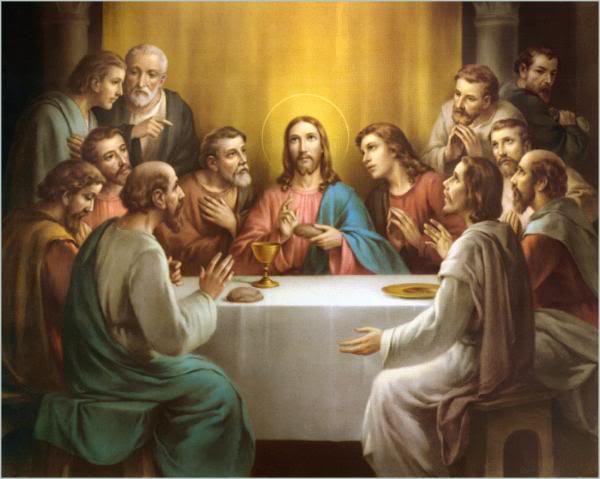
Well we are all individually many things, but together we are disciples of Jesus Christ. We are people that gather at his table, not just tonight, but week after week and what we receive is not just a piece of bread and a sip of wine, but his body and his blood. His life, that is what flows in our veins. They say you are what you eat, well this is who we are. We are individuals that have been invited, by God, to share in his life. Whoever I am as an individual, whatever my story is, as someone baptized into the life of Christ and who is called to the Lord’s table, my life is forever linked to his life; my story is linked to his story.


Why am I here?


We are here because we have been saved by God. Not just us but our ancestors before us. Our Lord’s last supper was a celebration of freedom from slavery. That is what the Passover meal is. And part of the tradition of Passover is making sure that the children there know what the whole night is all about. The ritual of Passover teaches the children the answers to those fundamental questions: who am I? Why am I here? How shall I live? Jesus was celebrating the fact that he belonged to a people that worshipped a saving God. He, and all of his people, were in the promised land and could worship at the temple in Jerusalem, because God had saved them. As Christians we are here because we have witnessed God’s saving power as well. God has saved us, Christ has saved us…why? Because he loves us.


How, then, shall I live?


Jesus makes that very clear for us tonight in his words and in his example. The God and creator of the universe didn’t think that it was too low a thing to stoop down and wash our feet. If he can do that, how can we, poor humans, think that any sort of service to our brothers and sisters is beneath us? How shall I live? Well, how did he live? He observed traditions. He worshipped. He prayed. He celebrated. He cried. He served others. He loved.


A wonderful life to emulate, but of course we know the story doesn’t end there, because he also suffered and died, and then three days later…rose again. You already knew that, I didn’t just give anything away. How then shall I live? As someone who already knows that his story doesn’t end in death. Make no mistake, like Jesus, death will be a part of our stories, but it won’t be the end of our stories. How shall I live? As someone that values love, more than his own life.


Who am I?

Why am I here?

How shall I live?


Our faith seeks to answer those questions all the time, but on tonight of all nights we are given some pretty clear answers. We must not neglect to share those answers with our children.


Who am I?


I am an individual loved by God. I am a part of a community, a family of people, that have been saved by God. I have been invited to a heavenly banquet, and every time I gather at the Lord’s altar I am offered a bit of his life. He feeds me, literally.


Why am I here?


I am here because God has sought me, and my ancestors before me, and saved me from the slavery I found myself entrapped in. I am here because I am loved. I was created by a loving God to share in his love, and when I have found myself trapped and suffering he has sought me out to set me free.


How shall I live?


I shall live as one who has already been redeemed from death. People will know me as a disciple of Jesus, not because of my t-shirt or my bumper sticker, but because of the love that I show. I shall live as one who knows his feet have been washed by Jesus, and who is prepared to wash the feet of others.


Who is on trial here?

Standard

Sermon for Palm Sunday, April 14, 2019

Readings:

The trial of our Lord Jesus Christ. That is what the passion of Our Lord feels like, one long trial with a defendant and lots of interesting witnesses.


Judas had betrayed him. We don’t really know why. I’m sure Judas thought he was doing the right thing at the time. Maybe he convinced himself he was doing it for his people, for his country. Maybe he was mad at Jesus for some reason or another. Maybe it was greed. We don’t really know. We know when he saw the results of his actions he repented and tried to give the money back, but it was too late. The deed was done. Judas despaired and hanged himself, unable to deal with his guilt.


What about the other disciples? They fell asleep, during our Lord’s agony. They didn’t have to suffer as he did; he just told them to pray, but they couldn’t even do that. When they did decide to act and defend Jesus, of course they did the wrong thing. They resorted to violence. And it didn’t take long after Jesus was arrested for Peter to deny him three times. Of course, that’s the last time we hear about most of his disciples until after the resurrection. Most of them have scattered in fear.


The soldiers that arrested Jesus, just doing their jobs right? Just following orders? And yet, before the trial even begins they blindfold him, and beat him, and taunt him, and humiliate him. He was arrested and in shackles. He was no threat to them at this point. They probably didn’t even know him. He had never done anything to them, so why are they taking this sadistic glee in hurting this poor man?


The chief priests and scribes: do they really care what Jesus has to say? Is this a real trial at all? They twist Jesus’s words around and then they outright lie about what he said. They can’t let anything Jesus actually said interfere with what they want to do, so they will twist it, or lie about it. They are tired of this man calling them out on their hypocrisy, so they are going to find a way to get rid of him, preferably a way that they can blame on someone else. So they send him to Pilate.


Pilate isn’t a Jew. He doesn’t really have a dog in this fight. And Pilate knows that these are phony charges, but Pilate is very smart and very career minded. He will make this Herod’s problem.


Herod was glad to see Jesus…at first. Herod wanted Jesus to perform some miracle, or to tell him something that he wanted to hear, but Jesus just stood there. Wouldn’t act, wouldn’t speak. So since Herod couldn’t get what he wanted out of him, he decided that Jesus would serve him best as an object of derision….someone to mock. But of course, people who bully and make fun of others are often just cowards under the surface, and that is what Herod is. So he sends Jesus back to Pilate.


And Pilate, still seems convinced that this man is innocent, and if that is true then why is he more willing to listen to the mob than he is to his own conscience? If Jesus is innocent, as Pilate says, then why does he insist on having him flogged before he is released? If he is innocent he is innocent…why make him suffer more? Pilate doesn’t really care about Justice. Oh he knows the difference between right and wrong, even the Romans had morals, but as so many of us do from time to time, he doesn’t let those morals interfere with his actions. He condemns Jesus to die and sets Barabbas free.


And then the crowd. Mobs are always the same…doesn’t matter if it is 1stcentury Jerusalem or 21stcentury Facebook, mobs always act the same. One of the things I love about the Palm Sunday liturgy, is that it asks you the congregation to proclaim Jesus as your messiah and king one minute and then a couple minutes later cry out for him to be crucified. That may seem strange, but that is how mobs work. I have no doubt that some of the same people that welcomed Jesus on Sunday called for his execution on Friday morning. And you may want to think that you wouldn’t have been a part of that mob, but don’t be so sure. Don’t be so sure.


The enticing thing about being part of the mob is that you get all of the emotion and none of the responsibility, because once the dust settles and you realize what just happened, you can try to convince yourself that you didn’t have that much to do with it…you were just one among many.


And what about the others there? What about Simon of Cyrene? We always talk about Simon carrying Jesus’s cross, but Simon didn’t do that willingly. He wasn’t moved by compassion at the sight of Jesus’s sufferings. He didn’t reach out to provide comfort to a dying man, he was forced too. Simon probably would have been content to not get involved, and who could blame him?


And finally there is the women, who follow Jesus weeping and wailing. If anyone in this story shows some compassion it is these women, but what does Jesus say to them: “do not weep for me, but weep for yourselves.” Their hearts are breaking for this man that has been put on trial and condemned to die. Our hearts may break too when we witness again the trial and passion of our Lord. If there are any characters in this whole story that we want to identify with, it’s these women who mourn for Jesus, but he seems to imply that they are missing something, that they have gotten something wrong. “Do not weep for me, but weep for yourselves” Jesus says. The women don’t appreciate what is really happening in this story.


What did he mean by that? The next thing that Jesus says, after he is lead to the place of the scull and nailed to the cross, may give us the clue we need to figure out what Jesus means by “weep for yourselves.” As Jesus is hanging there, probably remembering his whole life, but undoubtedly recalling the events of the past week, and remembering how even his closest friends let him down, how the system let him down, how justice had been a shame and religion a pretense, and how even those with hearts of compassion couldn’t see what was really happening. There in that moment, he says: “father, forgive them.” This is a condemned man. What business does he have forgiving anyone? And yet, here in his final hour, this man whose has been tried and condemned, now starts to sound like an advocate. Forgive them? How Jesus, in that moment are you in a place to say: “forgive them?” You are the one on trial here. You are the one who has been condemned. Now you are starting to sound like a public defender, an advocate. Jesus you are almost making it sound like we have been on trial this whole time, not you.


Maybe, we like the women, have gotten this story wrong. Maybe this trial was about us and we didn’t know it. So many characters in this story, so many roles. I wonder how many of them I have played? The betrayer, the sluggard, the coward, the upward-moving career minded administrator, the convenient Christian, the denier, the accuser, the mocking guard, the disinterested bystander, and even the person who mourns but doesn’t understand. I thought that this trial was about Jesus, while all the while I was the one that was being condemned.


Jesus isn’t condemned in today’s gospel, we are. And we, like those two thieves on either side of Jesus are justly condemned. And what does out advocate have to say to the eternal judge?; what sentence has he recommend?


Father forgive them.

Right here, right now

Standard

Sermon for April 7th, 2019

Readings:

All of your actions happen in the present moment.


That is a fairly heavy statement that probably needs to be unpacked a little.


Our actions, that moment when we either do one thing or another, they always happen in the present. Always.


You may say, well what about my actions in the past?


But those have all transformed into memories now, haven’t they? You may remember decisions you made this morning; you may remember actions you took, but they have moved out of the realm of action now, because you can no longer do anything to change them. You may have been hungry when you woke up this morning. You may have decided at that time that the best way to address that dilemma was eating a great big sugary donut…or two. You may have acted on that decision in the moment and scarfed down those donuts, and now that it is a few hours later you may be thinking: maybe that wasn’t the best decision. Maybe I should have had a banana instead. Too bad.


There is nothing you can do about it now. Nothing. It’s all a memory now. No action you take now can change the past. You can choose to think about it or not; you can choose to reflect on the memory of that donut (or donuts) with either fondness, longing, and gratitude, or with regret and shame. But the one thing you cannot do, is decide right now to eat something different for breakfast this morning. I’m sorry fellow humans, but even Cher cannot turn back time.


Then you may say, what about my actions in the future?


But those aren’t actions yet are they? They are just hopes and plans right now. Let’s just say, speaking purely hypothetically, that I did have something sugary for breakfast this morning, and that I do regret it and therefore have decided that I will make amends for that transgression by taking a five-mile walk this afternoon. Well as anyone that has ever made a new year’s resolution can tell you, deciding to do something, and actually doing it are two different things. I may get home and decide that a nap seems like a better plan. Or maybe it will be raining or cold. Or maybe, and this is always a possibility, maybe this afternoon will never come. Maybe my plans will come into direct conflict with God’s plans. What then? Hopes, plans, intentions, fears, they may all influence my decisions or my actions now, but the only actions I have real control over are the ones that are happening right now in this moment. I may intend to take a walk this afternoon, but until it actually happens it is just a plan, or a goal, not an action. It’s not a reality yet. It becomes an action when I actually put one foot in front of the other.


Now you may be tempted right now to put one foot in front of another and go to the bathroom until this philosophical sermon is over, but I urge you to press on through the desire to do or think about something else for a minute, because this is really important. You may use your memories of the past, be they good or bad, to influence your decisions now; and you may use your hopes and dreams, or your intentions or your fears of the future to influence your decisions now and your actions now, but ultimately, the only thing you have actual control over is your decision now, your action now. Your actions always take place in the present moment.


Why is this important? It’s important because the devil doesn’t want you to live in the present moment. The present moment is, in truth, the only place in your life where you have actual control or power, so the devil doesn’t want you to live there. So the devil will try to lock you away and keep you living in the past with shame and regret; he will make you relive past trauma over and over again, to the point where you become incapable of experiencing joy or love in the moment; a love that that might be right in front of you. Or better yet, the devil may try to lock you away in the future…he may do that through fear and anxiety, ruining your present life by making you perpetually afraid of something that may never happen, or he will fill you with the best of intentions and plans and dreams for the future, we all know what the road to hell is paved with, don’t we?…good intentions. Intentions and plans and dreams are no threat to the devil as long as that is all they are. Planning to read the bible, or pray, or serve God by helping out a poor stranger in need, is not the same thing as actually doing it. As long as our plans don’t affect or become our actions, the devil is in his glory. As long as we remain focused on what was, or what might be, we will never appreciate the joy and love that already is.


We have been reading C. S. Lewis’s Screwtape Letters this Lent, and in this brilliant book which is so timeless it could have been written yesterday, Lewis makes this keen observation:


“Nearly all vices are rooted in the future. Gratitude looks to the past and love to the present; fear, avarice, lust and ambition look ahead.”


Lewis has one of his demons say this:


“We want a man hag-ridden by the Future- haunted by visions of an imminent heaven or hell upon earth- ready to break God’s commands in the present if by doing so we make him think he can attain the one or avert the other- dependent for his faith on the success or failure of schemes whose end he will not live to see. We want a whole race perpetually in pursuit of the rainbow’s end, never honest, nor kind, nor happy now; but always read to sacrifice on the altar of the future, every real gift which is offered them in the present.”


And don’t we do it? We get so caught up in our plans and our schemes, that we can’t even see God when he is right in front of us. And that is what the devil wants. He wants us to live in a world of perpetual yesterdays, or perpetual tomorrows, not today. He doesn’t want you to serve God now, or to be happy or joyful now; or to love the person who is right in front of you now. He wants you to plot, and plan, and scheme, and fear, and regret. The last thing he wants you to do is actually take action in the present moment and show love to someone.


In John’s Gospel we are told that the devil entered into the heart of Judas Iscariot. It doesn’t say exactly when, but I suspect that by the time Jesus came to Bethany and had dinner at the home of his friend Lazarus, that the devil had already been working hard on Judas, getting him to focus all of his attention on the future. He says that Mary’s jar of ointment could have been sold to help the poor. The gospel writer tells us that he had other plans in mind. But either way, Judas is focused on the future. As long as Judas remains focused on plans, his plans, the devil gets what he wants, which is to turn Judas away from actually serving the God that is right in front of him.


In today’s gospel there is one person who takes action in the present. The devil has not trapped her in the past or in the future. She has the opportunity in the moment to show love to the person that is right in front of her and she has the strength to push past all of the devil’s distractions and take action. Mary acted out of love in the present moment, and in doing so, she touched God. Don’t let the devil trap you in the past or in the future, because God might be right in front of you, right here, right now.


About a Father

Standard

Sermon for March 31st, 2019

Readings:

Nowhere in Jesus’s story this morning does he say: “let me tell you a tale about a prodigal son.” That is the parable we get in our gospel this morning though, the parable of the prodigal son, one of Jesus’s most famous tales. And even if you don’t know the scriptures that well, chances are you have probably heard of the prodigal son, or you have heard the word prodigal used to describe someone who is going through a phase of estrangement or wanton living. But when we get down into the text and read the actual story in Luke’s gospel, the word ‘prodigal’ is nowhere to be found. That is a title that we Christians have given this parable; it isn’t one that Jesus uses. So we need to be careful when reading this parable that we don’t let the title we have given it misguide us as to the subject of the story.


Who is the subject of this parable? Who is this story about? If I asked you to tell me what the parable of the prodigal son was about, what would you tell me?


You would probably say something like this: it’s about a son who asks for his inheritance early, goes out and squanders it. Makes lots of bad decisions, gets down on his luck, and decides that he needs to beg his father for help and is welcomed back and forgiven. Sounds about right, no?


But, no. That’s not exactly right. Listen to the first sentence of Jesus’s story again: “There was a man who had two sons.” Now I need you to think back to grade school for a minute. Put on your grammar cap. I know you never thought diagraming a sentence would ever be something you needed to do in real life, but diagram that sentence. Who is the subject?


There was a man who had two sons.


The subject of that sentence is the man, the father, not the sons. So don’t be distracted by the title. What Jesus wants to talk about is a father and how he relates to his two sons…that’s right, both of his sons, because the story doesn’t end when the younger son comes home. There is another scene with the elder son and in that scene you can see that the elder son has been estranged from his father too, even though he has been living under the same roof with him for all these years.


So this story is about a father. It is about a father that has two children, two sons, and although these sons are very different, they are both really cut from the same piece of cloth. They have one thing in common: they don’t understand love. They both have a loving father and neither one of them understands what that means. This story is about a father with two sons that do not know how to appreciate his love. This is a story about a father that needs to teach his children what it means to love and be loved, and what it means to live in relationship with him.


Let’s look at the story again, a little more closely.


Here we have this younger son, who looks at his dad as some sort of vending machine. He starts out thinking that his father owes him something. He says I want to get what is coming to me and I don’t want to wait. Friends, a word of warning: be very careful when you start thinking that you deserve something; be very careful with entitlement and asking to get what you deserve, because you just might get it. Well the son gets the money he asks for, moves away, makes tons of bad decisions, squanders the money, hard times come and so does hunger. So this younger son decides on a plan: he will return to his father’s house. Why? Is it because he loves him and misses him? Is it because he appreciates all that his father gave him and wants to honor him? Is it because he realizes that he did something wrong and wants to be forgiven? No, it’s because he is hungry. He thinks that if he can just be one of his father’s servants, or hired-hands, then his father will feed him. It’s this for that: I will do this for you, if you do this for me. I will serve you, you will feed me. That is how the younger son sees the father; not as a creator to be loved for his own sake, but as some sort of meal ticket. Yes, he repents and comes home, but his act of repentance is all about self-preservation, not personal growth, not love of another. If that younger son’s belly had been full, would he have returned to his father?


But he does return home, and you know what? The father doesn’t seem to care what his son’s motivation is. This is his child whom he truly loves. He runs out to meet him and showers him with affection, before the son can even get the words “I’m sorry” out of his mouth. This father is no fool. I’m sure he knows just what has motivated this child to come home, but it doesn’t matter. And he would have every reason to treat him liked a hired hand, or a servant, to make him work for his food, but he doesn’t do that either. This is his child whom he loves, and regardless of what his motivation is, he is home now. He is back in his embrace, and that means more to the father than anything else. That is what this father’s love is like.


But, as I said, the story doesn’t end there, because the older son was still out working in the field. He missed this reunion scene between his father and his brother. He comes home from a long day of hard work and he hears partying and dancing. He says “what’s this all about?” And they tell him that his brother has returned and his father is celebrating and they are having a great big BBQ. And the elder son, probably stands there looking at his dirty over-worked hands and thinks “where is mine?” Where is my fatted-calf? I have been here all along working like a slave for this man and not even a roasted goat. I didn’t go out and squander my inheritance. I didn’t go out and make one bad decision after another. I have worked hard for all that I have. I have worked hard for my father all these years, like a slave. He does not deserve these blessings. He didn’t do the work. He does not deserve this party; it is so unfair. When the elder son opens his mouth, you begin to see just how alike he and his brother really are. They both see their relationship with their father as some sort of exchange of blessings for labor: I do this for you, and therefore you will owe me this in exchange. They both at some point think that their father owes them something. This elder brother may still be living under the same roof as the father, and maybe he hasn’t made all the same life-choices as his sibling, but where is the love? where is the joy? where is the recognition of the relationship that he has with his father? This child doesn’t understand love, or relationship, or joy, so even though he is living under the same roof, he really is just as estranged from his father as his brother that was living in a distant country.

Now we could spend all day talking about these two sons and their various faults and shortcomings, but who is the subject of Jesus’s story? The father.


Why is Jesus telling this story? It seems to me that he wants his listeners to understand what the father’s love is like. He wants them to see the great joy that the father has in his children, even when they don’t deserve it or don’t know how to share it.


Who is Jesus talking to? Looks like a mixed crowd to me. There are some tax collectors and sinners who for one reason or another have felt compelled to listen to Jesus; who are drawn to him for various reasons. Then there are the Pharisees, the religious and faithful, who are a little resentful that Jesus is giving so much attention to these folks that haven’t been living right and haven’t paid their dues. I think Jesus is talking to both of them.


He wants to tell them a story about a father with two sons. They are sons which he truly loves; they are not his hired-hands or his slaves. His love for them is not based on their good decisions or on their hours spent in the fields. His love isn’t something they deserve, it is just something that is. The father’s great desire is to be with his children, and for them to share in his joy and love, not just with him, but also with each other. The father wants his children to love each other the way that he loves them.


It’s an important story that Jesus tells here and we need to pay close attention to the subject of this tale, because when Jesus teaches us to pray beginning with “Our Father” it might help us to know exactly the kind of father he is talking about.