
Sermon delivered at the memorial for Zunie S Ridley
November 24th, 2013
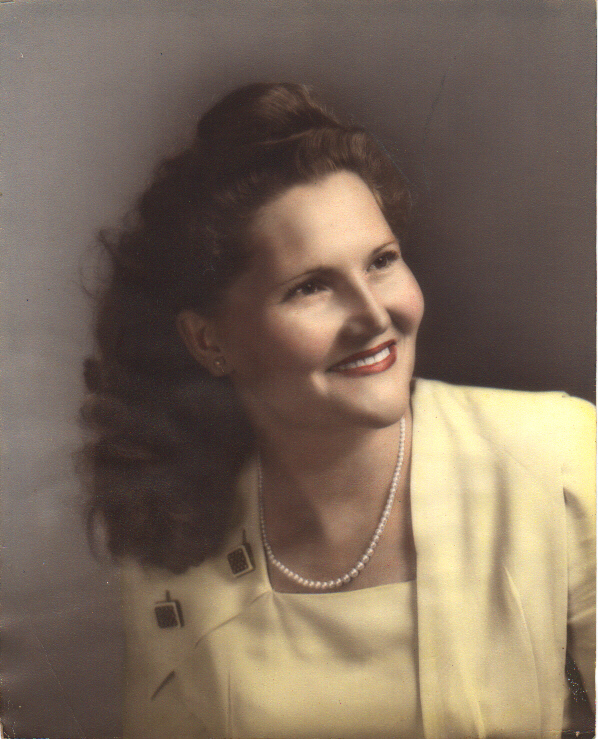
Long before I was ever a priest or a minister, before I ever went to seminary and before I preached my first sermon, I was her grandson. I struggled so with what I wanted to say today, because I kept trying to say it through the voice of Father Kevin, the priest who has presided over more funerals than he can keep count of, but I can’t do that today. I can’t be that right now. Right now I am just another member of the family. Right now I am here to represent everyone who ever loved this woman and I am here to tell you what we are all feeling.
Our hearts are broken, but they aren’t troubled.
Our hearts are broken for everything that she meant to us: she raised us…she raised all the neighborhood children. She loved us, she cooked for us, she taught us how to pray, she spanked us occasionally (some more than others). She was our rock, she was always there. She was the one we played pranks on, went shopping with; she scratched our backs, squirted us with water pistols, she made us laugh, she sang with us, she took us to church, she argued with us, she watched baseball with us and went to the movies with us. Our hearts are broken, because she was a part of this world for 92 years and not one of us here knows a world without her in it.
Our hearts are broken, but they aren’t troubled.
They aren’t troubled because of what she is leaving us. She is leaving us with traditions that keep us connected with her: traditions like using blue lights outside our house every Christmas after someone dies, traditions like icebox fruitcake and corn casserole, and cornbread dressing. She is leaving us with so many wonderful stories from her life: setting her pants on fire while she was welding in the shipyards in Brunswick Georgia during the war, stories about going to the drive in with granddaddy and her mother and having to lay down in the back seat because she was pregnant with my mother. Stories about the Lashley place, the Arline place, the Joyner place…all those places where she grew up that I could never really keep straight. She left us with her love for life and her love for her family, but for me today, the most important thing that she left me with and the number one reason that my heart isn’t troubled, is that I know that she worshipped a loving God. From the day that she was baptized in the creek outside the Pine Park Baptist church, she worshipped a God whose principle commandment was to love and she tried to live that commandment. She wasn’t an every Sunday churcher, she wasn’t a bible expert either, but she knew how important faith was, genuine faith, faith that comes from truly loving God and truly loving other people.
When Jesus was talking to his disciples and telling them that he had to leave they were devastated. They couldn’t bear the thought of him leaving them, but he reassured them by saying don’t let your hearts be troubled. I am going ahead of you to prepare a place for you. We will be together again. I believe that Jesus keeps his promises. He promised that he would rise again from the dead, and he did, he promised that he has a place prepared for us, and that in that place we will all be together again. It is that faith that is getting me through this right now. Saint Paul said that he reckoned that the pain we experience in this world and in these bodies is nothing compared with the glory that we will experience when we reach the other shore. Grandma knew a thing or two about pain and suffering. All my life I remember her suffering from some ailment or another, but that never really stopped her. She never lost her joy and love for life.
As I stand here today, I am looking at lots of faces that are suffering. We are sick, we are tired, we have pain. But I am reminded of a saying that I saw while I was on pilgrimage this summer: Pain is something temporary, glory lasts forever. Our bodies are broken sometimes, but its ok, we can get past it. Our hearts are broken, but they aren’t troubled, because we know this heartbreak is only temporary.
This service today is really for us, not for her. We are the ones who are suffering now, she is in glory. Her pain is no more.
After granddaddy’s funeral so many years ago, I had a dream and in that dream he walked up to me and looked me in the face and just gave me a hug. But the face that I saw wasn’t the face that I had ever known in my life, it was the face of him as a young man who was happy and healthy again. Ever since I had that dream I have had this belief that that is what we become when we reach the other side: our happiest, handsomest, prettiest, healthiest self. Today would have been his 93rd birthday. When we were thinking of which picture to use today I wanted to use the one on the cover of your program, because although it isn’t how she looked three days ago, I do believe it is how she looks today, and I believe that that is the face that will be greeting us when we get there ourselves.
We still have work to do in this world: as a family and as Christians we have work to do: It’s not our time yet: there are still children to be raised and spankings to be given, dinners to be cooked and love to be shared. Our hearts are broken today and they will be for a while. We will get upset when we are reminded of her and all that she meant to us, but that’s ok we aren’t troubled because we know this pain is temporary. The loving god that she worshiped has washed away her pain and he will do the same for us as well.
 Inwardly Digest
You must be logged in to post a comment.