
Practice

Standard

Sermon for April 19, 2026

Readings:

Jesus himself came near and went with them, but their eyes were kept from recognizing him.

I will let you in on a little secret. I often practice my sermons.

Now I want you to understand, it is not because a sermon is some kind of performance and I am up here trying to be overly dramatic. That is not the case. I practice, because to get written words off of the page and to make them sound the way that you mean for them to, well that involves more than just reading the words in front of you. You have to pay attention to how something sounds when you say it. That is why I encourage all of our readers here in mass, not just our young folks, but all of our readers, to read the scripture before the service, and yes to practice them. So I practice my sermons too. I want to make sure that what you are hearing me say is what I am actually trying to say.

One time a few years ago, I was in the chapel at the University of the South, where I went to study preaching. It was late one night and I was practicing a sermon that I had to give the following week. And while I was preaching I could see through the windows in this chapel, which is all clear glass, I could see a man I didn’t recognize walking around outside. So I got a little quieter. I was being a little self-conscious preaching to an empty room. And then I heard the door open behind me, and I just stopped preaching. The man came inside. Now, I wasn’t afraid of him, I just felt kinda weird standing there preaching to myself. And he said to me: “don’t stop on my account. You might say something I need to hear.” Well we smiled at each other and he wandered around looking at the chapel and I went back to my sermon, but instead of reading it out loud I started reading it silently. Like I said, I was being self-conscious and I also didn’t think it was that good of a sermon. 

So after a while the man came back up to me and he said, “can you do me a favor? Can you tell me what you were preaching about?” Of course, I said. And I walked him through the whole sermon I was preaching which was about Moses and the children of Israel crossing through the desert on their way to the promised land. And I was talking about how they were always being tempted to give up and turn back, and were always worrying that God wasn’t with them. Anyways, that sermon isn’t really the point of this story. After I was done though, the man looked at me and said: “Thank you. I imagine if you preach it just like that you will do just fine. It really meant something to me.” And he stood there a minute and paused and said, “but how can you see in here?”

It was night time, so it was a little dark in the chapel. And I said well, there’s a light right here that shines down on my text. And he said, “well I can’t really see very well. Bad vision runs in my family. That’s usually what I am praying for whenever I come into a church.” And in that moment, I had this sensation come over me. It was a realization that I wasn’t just ministering to this man, but that he was actually ministering to me. He was talking about praying for better vision, but what was I blind to? He had asked me to keep preaching when he walked in, but I had stopped. He was making me realize that my self-consciousness and my awkwardness of openly talking about my faith (as a priest standing in a church mind you), well he made me realize that that wasn’t serving anybody. He needed a word of encouragement that night, or at least he said he did, but so did I. And he claimed to have bad vision, but the truth was, so did I. I could see the text in front of me, but when God was standing right in front of me, I was blind. 

This was just a man that looked like any man, but we had this amazing moment where we touched each others’ lives and gave each other hope and strength. We shook hands, said goodbye and thanked each other. I returned to my text and he returned to the woods outside the chapel, but he stopped before he walked out the door and called back to me.

He said, “It’s a round world you know…we’ll meet again.”

And all I could say was “Amen brother, amen.”

And as the door shut behind him and he disappeared into the night, I thought “was that really just a man? Was that encounter I just had just some random conversation between me and a stranger, or was it something more?” I couldn’t help but feel that it was something more. In that moment all of the nerves in my body were convinced that something spectacular had just happened. My brain had an explanation for everything, but my soul was convinced that this was an encounter with God…or with an angel. 

Now everything that I have just told you is a true story; it actually happened to me. You may recognize that there is nothing spectacular or dramatic about it. There is no fiery pillar or mystical bread floating down from heaven. No angelic halo; no floating in the air. Just a very ordinary looking encounter that I deeply suspect and believe was actually something very extra ordinary. In that sense it is a story very much like the gospel story we just heard a few moments ago. 

In today’s passage from the Gospel of Luke, two of Jesus’s followers were walking down the road together on Easter Sunday afternoon. They had been through all of the trauma of Holy Week. They had been through the excitement of Jesus entering Jerusalem on Palm Sunday. I don’t know if they were at dinner with him on Maundy Thursday, but they knew all about his crucifixion on Good Friday. They had had high hopes for Jesus, and those hopes were devastated when they witnessed him being killed. But just that morning, Easter morning, they had heard a report, an unbelievable report, that his tomb was empty and he had risen from the grave, and they were struggling with what to make of that news. Was it a delusion? Was it a myth or a lie? Was it a cleverly devised story to get back at the Romans or the Temple Priests? These two followers were asking themselves questions that many of you have probably asked before: Did the Resurrection actually happen? Is this story true? Was Jesus actually the son of God?

And as they walk along an average looking stranger joins them and starts walking with them. They don’t know who he is. He starts asking them questions about what they are struggling with and what they are talking about. And they tell him the story of Jesus, at least as they knew it. But it turns out they didn’t know the whole story. They had missed many parts of God’s story, so this stranger walks them through the whole story of scripture. He highlights for them all of the times in our history where God has revealed himself to us; shown us who he is and what he is up to. Met us where we were. From the beginning, we have had encounters with this God. We have had encounters with God, only we haven’t always recognized God’s presence at the time. Sometimes it has only been looking back when we have realized: oh wait! That was God I just ran into! That was God that was leading me, or walking with me. The glory of scripture is that it records many of these encounters with God, and that is what this stranger is explaining to them. He is reminding them, that the God of scripture is a God who meets his people in real life. 

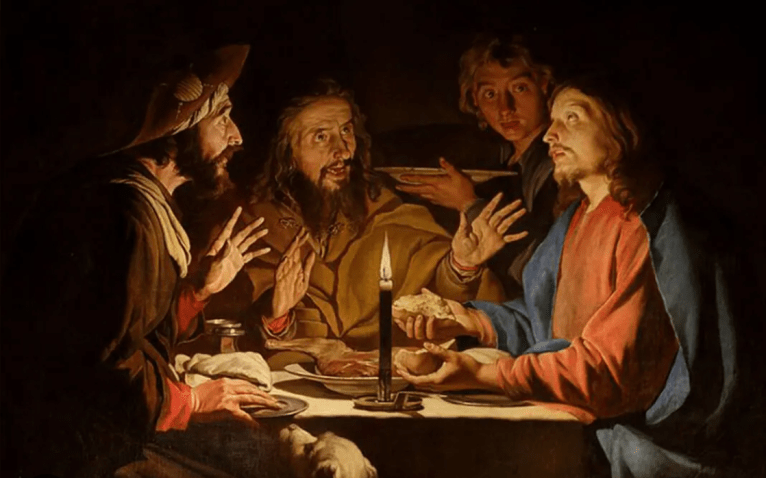
And after this wonderful conversation they had, it seemed like the stranger was going to just walk on, never to be seen again. But the two disciples asked him to stay and be their guest. So they sat down to dinner together, and as this mysterious stranger, took the bread, blessed it and broke it, their eyes were opened. And they could finally see that this wasn’t a stranger at all. It was Jesus. And then he was gone. A piece of bread. A meal. A ritual action so ordinary. Nothing about this meal or this meeting was spectacular, and yet with opened eyes the disciples could see that God was present with them in that moment. This is something that our God does, over and over again. God meets us in very ordinary things. Yes, there are stories of amazing miracles in our scriptures, the Resurrection of Jesus being the greatest miracle of all, but there are even more stories of God encountering and shepherding his people in less showy ways. Only we don’t always recognize God when he shows up. You could say that recognizing God at work is a skill that takes a little practice. That is why you are here.

Practice, as I said earlier, in all things is important. You practice writing your alphabet, you practice your multiplication tables, you practice playing a musical instrument, you practice a sport. So many things in life require practice and yet for some reason so many people think that religion is just supposed to come naturally. No. You need to practice your faith. You need to participate in the rituals and memorize the stories. Not because there is going to be some quiz, but because we believe that God can and does still show up unexpectedly in this world. Will you be able to recognize him when you meet him? It might be in the eyes of a stranger. It might be in a simple piece of bread. It might be in a story that you think you know, but don’t really know at all. God shows up; God encounters us in simple ordinary ways, and we invite you here to church, each and every week to practice recognizing him. Recognize him in the scriptures. Recognize him in each other. Recognize him in the bread that he breaks to feed and sustain us. Practice recognizing him.

And if by any chance you don’t. If you miss God, and don’t recognize that you were in his presence until it seems like he has walked away. Don’t fret. Don’t panic. Just keep walking. Keep practicing. I promise you, you’ll get another chance. As the mysterious stranger that I met said to me before he disappeared: “it’s a round world, you know. We’ll meet again.”

The way it is

Standard

Sermon for April 12, 2026.

Readings:

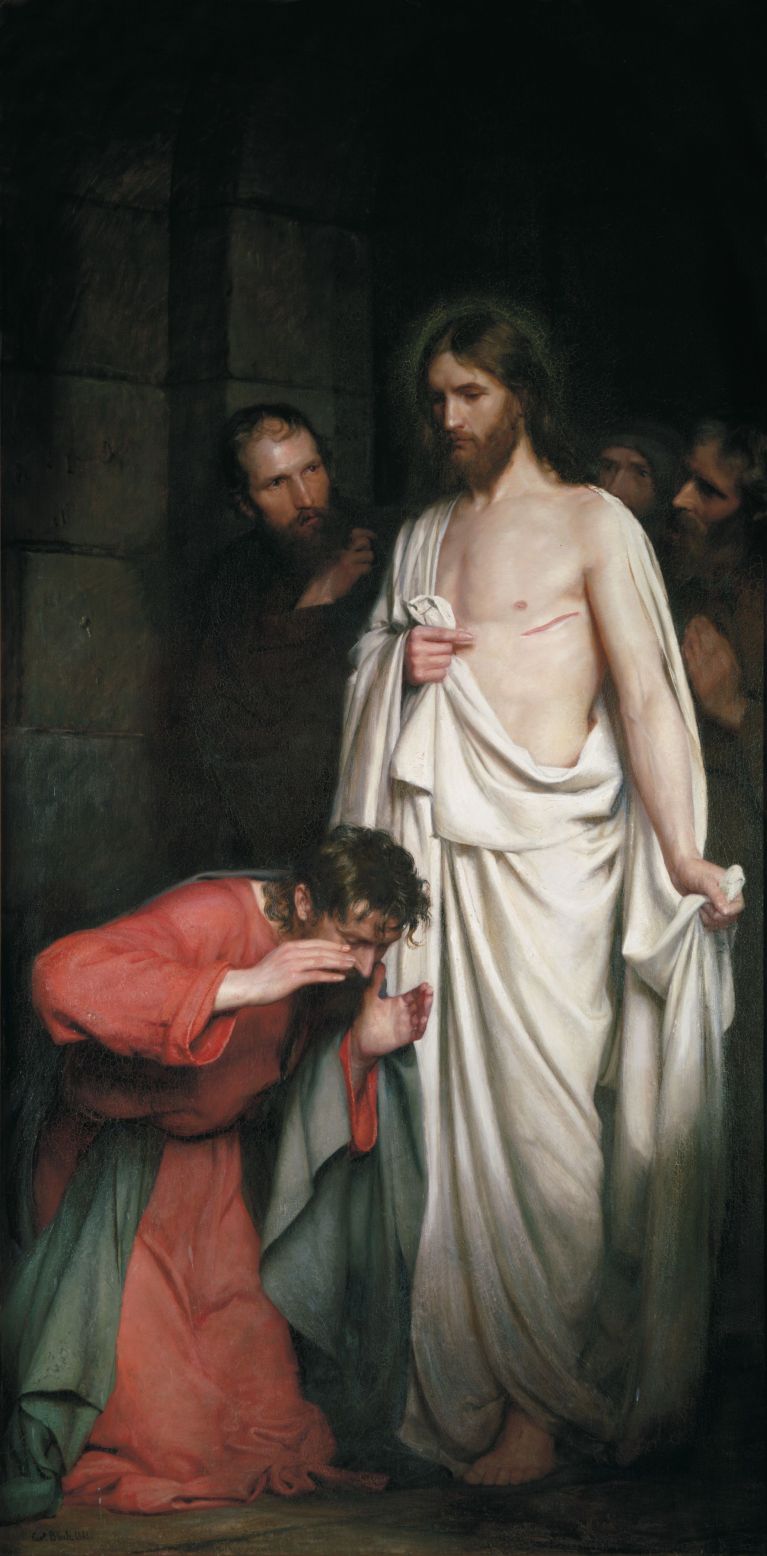
On that first Easter Sunday morning, the disciples had an encounter with the risen Jesus. Mary Magdalene, Peter, John, almost all of them saw Jesus, alive again, in the flesh. Their crucified Lord had literally risen from the grave and they all witnessed it. Except Thomas. For some reason Thomas wasn’t there. Maybe he ran out to get milk or something. Maybe he just decided to stay home on Easter Sunday. We don’t know why Thomas wasn’t there; it could have been a very good reason, but he wasn’t there. He shows up after this extraordinary thing happens. And when Thomas’s friends told him about the encounter they had with the risen Jesus, alive again, naturally he was skeptical. He struggled to believe the story they told, and you can’t fault him for that too much.

It is a fantastic story. A dead person coming to life again. Not just very sick, but dead, from the grave. That doesn’t happen. That goes against everything we know about the natural world. Ancient people were well aware that dead bodies don’t come back to life. Especially when those bodies had been brutally crucified. Thomas knew that Jesus had been speared in the side. He had been nailed to a cross. Those are not injuries that you recover from. So, Thomas has every reason to question the truth of this story that he is being told. But then something happens. Thomas has his own encounter with the risen Jesus and his perspective changes radically. From the same person that initially questioned the resurrection story, we also get the most complete and profound witness to who Jesus really is: “my Lord and my God” Thomas says. He is the first individual in John’s gospel to recognize Jesus as god. That’s something. But moments before he had been an unbeliever. That is the power of an encounter with this Jesus that we worship. That is the power of an encounter with God. It can change you when nothing else will.

Now, the story of Thomas is very likely a familiar story to you.  If you have attended church regularly or for very long, then it is very likely that you will have noticed that there are some Sundays and other services throughout the year where the readings never change. In some instances, those readings may have been the same for that service for many hundreds of years, extending back well before the reformation and the creation of our Book of Common Prayer. Today is one of those Sundays. Low Sunday or the Sunday after Easter always has the exact same gospel reading from the Gospel of John. The reason for this will be pretty obvious: the setting. A part of this gospel takes place on the week AFTER Jesus’s resurrection, so it is only natural that it should be read on the Sunday the week AFTER Easter Sunday. 

If you are here today, on the Sunday AFTER Easter Sunday, then it is likely you have heard this story before. It is possible you have heard it many, many times. It is the same every year for the Second Sunday of Easter. That can make it very challenging for a preacher, I can tell you. I actually dread it sometimes, because year after year you get the exact same texts but naturally you don’t want to stand up here and say the exact same thing about them. I mean, I’m not here to be entertaining, but I certainly don’t want to bore you to death either. I have been struggling with this all week. Actually, I have been struggling with it for years. What more can I say about this passage? One of the things that occurred to me this week as I was looking at different interpretations of this story, is that preachers and priests always seem to be looking for the moral of this story. I have been guilty of this too. We look at this story and want to figure out what it is telling us to DO. What is the life lesson for us to learn? Should we be less like Thomas? Should we be more like Thomas? What is the takeaway? What’s the lesson? I know that there is a strong tendency to approach every scripture reading looking for the moral lesson or a commandment from God, or something or other for us to DO as a response. I have come to realize that that is a part of the problem. Clearly some parts of scripture are meant to do that, but maybe not every story of scripture. Maybe some stories just are. Maybe some stories are there because that is the way they happened. Real life is like that. Maybe some scriptures just want to share a truth with us, without necessarily asking us to DO something in response. It could be that sometimes the bible is just showing us the way that the world is, and we can choose to accept that message and find peace, or reject it and beat our heads against the wall of reality that we can’t change.

I am beginning to wonder if today’s gospel might be just like that: a story about the way things actually happened, that simply reveals to us the way things actually are. Here is what I mean: Not everyone had the same encounter with the risen Jesus on that first Easter Sunday. Not everyone was there. Not everyone saw him. So from day one, the disciples have had to try to convey to others the mystery and the truth of the Resurrection. That has been a part of the Church’s calling. From the very beginning, a part of being a Christian has meant having to explain to others, why you believe what you believe. From the beginning, we have had to talk about mystical and sometimes deeply personal encounters and experiences, that are very hard to talk about. We have had to challenge common understandings of reality and what is or is not possible in this world. We have had to tell stories about events and occurrences that don’t even make sense to us. We have had to do all of this, sometimes with people that are our nearest relatives and dearest friends. And from day one, there have always been people who have rejected our testimony. From the very beginning we have witnessed to the resurrection of Jesus Christ and from the beginning there have been people that just could not or would not accept the truth of our story. Like it or not, that’s the way it is.

Is that because there was some defect in our testimony or witness to Jesus? Maybe, or maybe not.  Maybe you did everything right, said everything right, and someone still could not overcome their skepticism or their doubts. You can beat yourself up trying to figure out how to convince people of the truth of the resurrection and they still aren’t going to buy what you’re selling. What’s the answer? Well I am beginning to think that the answer is that sometimes there isn’t an answer. Maybe this is just how it is. This is reality. We work hard to evangelize, to share the good news of God in Christ; we work hard to baptize and teach; we work hard to create and maintain a sacred and holy space for people to worship and hear these amazing stories of God’s grace. And some people are just not going to buy what we are selling. Some people are just not going to believe this story on our testimony alone. If Thomas wasn’t going to listen to Mary Magdalene, and the other Mary, and the other Mary, and Peter, and John, and all those disciples that either saw the empty tomb or the risen Jesus, then I probably don’t need to feel too badly whenever I encounter someone who isn’t convinced Jesus rose from the dead based on my preaching alone. Maybe the defect is mine, but maybe it isn’t. Maybe it isn’t your fault either. Maybe the lesson from this gospel isn’t that you need to work harder or do more. Maybe this is just the way it is. Sometimes it is up to God to intervene. Some people are only going to change when they have their own personal encounter with Christ. OK. We can pray for God to reveal himself to that person and just let it be. And the good news from today’s gospel is that those encounters do happen and people do change. That’s it. No fancy moral. No long list of things for you to do as you walk out of here today. Just a reality to accept. Tell your story. Share your faith. Talk about your encounters with God, especially when they seem unbelievable. It’s ok if some people don’t believe you. Some people won’t. But don’t worry. God can still work on them. You never know when someone will have their own encounter with the risen Jesus. You never know how some people can change.

Remember

Standard

Sermon for Easter Sunday 2026

Readings:

I heard a preacher once say that the “bible is filled with the minutes from the previous meetings of the past generations.” I love that phrase. The Bible is a record. It is a record of actions planned and actions taken. It is a record of places we have been and decisions we have made. It is a record of events that happened and how we responded to them. It is a record of faithful arguments and conflicts. It is a record of our experience with God: the mysteries and the miracles and the messages. Those scriptures are inspired story AND they are history. Those minutes tell the story of how we got to where we are. 

But the problem is, and some of you I know will understand this very well, because you have served on a church vestry or sat through many an annual meeting, or maybe you served on a board of some other organization…the problem is, what is one of the first things people want to do at the beginning of a meeting? Can we dispense with the reading of the minutes? Let’s vote to skip over that. We all remember what happened, don’t we? You know how it goes with the minutes: the clerk types them up and sends them out ahead of time, and then we ask if there are any changes or amendments, and you know that nobody has read them. For a second here I want to show a little love to anyone who has ever served as a clerk of a vestry or a secretary of some other organization and had to take minutes at a meeting. Your work is important, even though people don’t always recognize it. Let me just say that a good portion of the bible was written by someone just like you; a scribe charged with leaving a record for the next generation or the next meeting. If only people would read it. 

Sometimes we think that history isn’t all that important. Recent history, ancient history, biblical history, political history, church history, family history, we think it’s all just about the past and has little bearing on the present or the future, but that is one of the biggest mistakes humans ever make, and we keep making it. That same preacher that said that the “bible is filled with the minutes from the previous meetings of the past generations” also brought my attention to a C.S. Lewis quote that I had not heard before. In a lecture C.S. Lewis once said that “in the individual life it is not the remembered but the forgotten past that enslaves us.” We are not so much enslaved by memories as we are the things we have forgotten. We forget or dismiss our history, and then we wonder why we can’t figure out what’s going on around us. We forget our past mistakes and then wonder why the same thing keeps happening to us. We forget or ignore those eternally wise words from Rogers & Hammerstein: “Nothing comes from nothing. Nothing ever could.” Nothing comes from nothing. Let me hear it. Nothing comes from nothing. Everything that happens is a response to something that happened before. You don’t like the way things are in this country right now? This didn’t come out of nowhere. The devil didn’t just fall to earth yesterday. Yeah, there is plenty in this world to be distressed about, but if you know your history then you will also know that humanity has been in bad places before. The news isn’t new. Don’t understand politics? Nothing comes from nothing. Everyone is always responding (and very often overreacting) to the last thing that someone else did. Don’t understand the situation in the Middle East? Nothing comes from nothing. It’s always about who dropped the last bomb. That conflict didn’t start yesterday, or a few weeks ago. Everything that is happening now is a result of decisions that were made at the last meeting. Only people don’t want to read the minutes. The problem with America is that too many people have dispensed with the reading of the minutes. They don’t care about knowing and understanding history. They don’t want to study it. They don’t want to deal with evidence and facts. They think it’s not all that important or not about them. We have forgotten that nothing comes from nothing. Nothing ever could. We have forgotten our history. Christians are prone to doing this as much as anyone else.

In fact, and here is an extra bit of history for you, the reason that our Bible has the books in it that it does is because once upon a time, someone wanted to dispense with the reading of the minutes. Someone tried to erase our history. In the early church there was once an old crank by the name of Marcion. He called himself a Christian, but he hated the Jews. Conveniently ignoring that our Lord Jesus was Jewish, of course. And he wanted nothing to do with all of that Old Testament stuff. As far as he was concerned that was Jewish history, not our history. That was about some other, lesser God he thought, and it needn’t concern us. Just get rid of it. And the early church, in its wisdom said NO. NO, we will not forget our history. No, our Jewish brothers and sisters are not worshipping some lesser God. The God of Jesus is the God of Abraham, Isaac, and Jacob. The God of Jesus is the God of Moses and the Children of Israel. The God of Jesus is the God of King David, and the prophets. Time and time again, our scriptures go out of the way to remind us that Jesus did not just show up out of nowhere; that he has a history. So the church said no. It condemned Marcion as a heretic, the first time it ever did such a thing, and it responded by making sure that our sacred texts contained ALL of our history. That is a part of the history of how our bible came to be. We needed to remember the whole story, because nothing comes from nothing. 

And right now you might be starting to squirm in your pew a bit and wonder how long I am going to go on. Your kids might be getting antsy, as I am sure mine is, hoping to get outside and hunt for Easter eggs. But today I am not going to dispense with the reading of the minutes. No, we are not reading the entire bible this morning, in fact most of our readings this morning are rather short, but you need to hear them, more than you need to hear me actually. We think we know these stories, but we are so prone to forget. That is one of the curses of being human. We forget things. We forget where we have been. We forget where we were headed.

I have been so inspired this week watching the Artemis II mission take off on a trip around the moon. I don’t think enough people appreciated the significance of that this week. Yes, I did grow up in that part of Florida, so I have a personal connection to all that, but this is an amazing thing, and God bless those astronauts. But the one thing about this that is a bit sad, is that we were on the moon fifty years ago. We accomplished all of this before, but then we just set it aside as if it wasn’t all that significant. Ho hum. Who cares? And we kinda forgot about it. We had to rediscover how to send people to the moon. You see, it isn’t just the negative lessons of history that we forget. We forget the positive ones too. We forget the defeats, but we also forget the triumphs. We forget our history and we wonder why things are the way they are. That is why the scripture readings at every mass are important. We need to pay attention to our history; especially our history with God. This is important work. We need to remember where we have been if we ever hope to understand where we are or where we are headed. Remember. It is a commandment of God. It is right there in the minutes.

And Moses said unto the people, Remember this day, in which ye came out of Egypt, out of the house of bondage; for by the strength of hand the Lord brought you out from this place.

Remember the sabbath day, to keep it holy.

Remember all the commandments of the Lord and do them.

Thou shalt Remember all the way which the Lord thy God led thee these forty years.

Thou shalt Remember that thou wast a bondsman in Egypt and the Lord thy God redeemed thee.

Remember his marvellous works that he hath done, his wonders and the judgements of his mouth.

Remember the days of old, consider the years of many generations; ask thy father and he will show thee, thy elders and they will tell thee.

I will remember the deeds of the Lord; yes, I will remember your miracles of long ago.

He remembers his covenant forever.

Remember that I am sending you out as sheep in the midst of wolves.

Jesus said, “Having eyes, don’t you see? Having ears, don’t you hear? Don’t you remember?

If the world hates you, Remember that it hated me first.

I have told you these things so that when the time comes, you may remember that I told you about them.

Do this, in Remembrance of me.

Remember the words of our Lord Jesus that he himself said it is more blessed to give than to receive.

Jesus Remember me when you come into your kingdom.

He is not here, but is risen. Remember how he told you, while he was still in Galilee, that the Son of Man must be handed over to sinners, and be crucified, and on the third day rise again? Then they remembered his words.

Then they remembered. Those disciples that arrived at Jesus’s tomb on that Easter Sunday morning. At first, they forgot. They were living in the moment. It’s only natural. There were living with the terror of the present and the fear and the pain and the sorrow and the uncertainty. All they could see was their present horror. Friday was about as far back as they could remember. It was the same for all of the disciples. They could remember Jesus’s death, but they couldn’t remember his promises. They forgot and they needed to be reminded. Well we need to be reminded too. We need to remember our history and where we come from. We need to remember the promises of God and the wonders and miracles he has performed in the sight of our ancestors. We need to remember why the church exists. Do you know the only reason why the church exists? Do you remember? Nothing comes from nothing. Where does the church come from? The whole history of the church, two thousand years of worship and art and architecture and music and social welfare and charity and advocacy, two thousand years of saints and sinners living lives shaped by tradition and scripture, two thousand years of people hearing about God’s faithfulness and love, two thousand years of hope in the midst of sorrow, two thousand years of hope for the world to come…do you know where it all starts? Do you remember? It all starts early one morning when some women came to a tomb to anoint the dead body of their loved one and found it empty. It starts with Mary Magdalene weeping, and a familiar voice calling her name. It starts with the Resurrection of Jesus Christ. A man who was put to death by the powers of this world, but came back to life through the power of God. That is the only reason why all of this exists. That is the reason we are here today. The Resurrection isn’t a metaphor. It’s an event. That isn’t just a story. It’s history. I think we can be bold enough to say that in church on Easter Sunday. It’s history. Maybe we can be bold enough to say it everywhere else at every other time of the year too. It’s history and It is history that we must remember. 

We must remember it. We dare not forget it. Because the God that raised Jesus from the dead is the same God that rules over our lives here and now. The God of Jesus Christ, is the God of Abraham, Isaac, and Jacob; he is the God of creation, the God of the Exodus; the God of Mary Magdalene and Peter and John; he is my God and he is your God; he will be the God of our son’s world, and the world of your grandchildren and great-grandchildren. If someday humans start living on the moon or on Mars, he will be their God too. Our technology may advance and change, but our God doesn’t change, and humans don’t change that much either. So pay attention to history, especially our history with God. Read the minutes. Know how we got to where we are, both for the better and for the worse. Life is about more than just the moment we are living in. 

You may wake up tomorrow and find more bad news. More corruption, more death, more war; you know there’s gonna be more taxes. The news isn’t new. It isn’t news. We have been here before. Remember that, but also remember that someone also woke up once and found an empty tomb and a risen Lord. That’s the good news and it’s our job not just to remember it, but to tell the world about it. There are people out there that need to know that while it feels like the whole world is going to hell, we still worship a God that raised Jesus from the dead. Our ancestors lived in a darker world than we do, and they still found hope in it, so why can’t we. Read the minutes. Listen to their testimony. There is one little bit of the minutes from the last meeting that we didn’t read this morning, and I don’t want you to miss it, so I just need to add it in here. It is the rest of the story.

16 Now the eleven disciples went to Galilee, to the mountain to which Jesus had directed them. 17 When they saw him, they worshipped him; but some doubted. 18 And Jesus came and said to them, ‘All authority in heaven and on earth has been given to me. 19 Go therefore and make disciples of all nations, baptizing them in the name of the Father and of the Son and of the Holy Spirit, 20 and teaching them to obey everything that I have commanded you. And remember, I am with you always, to the end of the age.’[d]

The latch on the prison door

Standard

Sermon for Good Friday 2026

Readings:

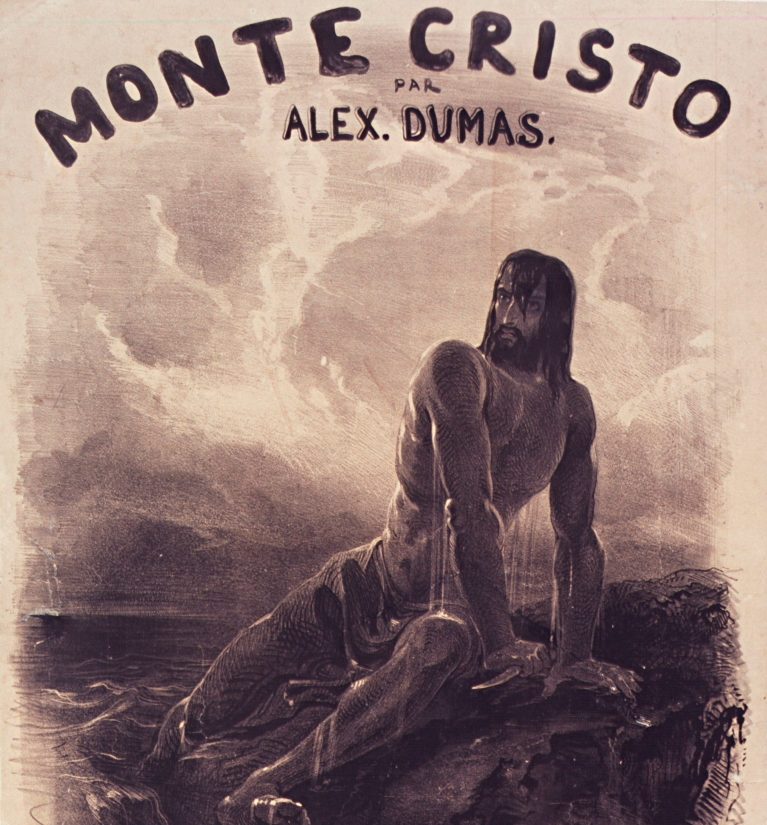
Before we talk about the passion of our Lord this afternoon, I want to talk about another more recent, and quite different story of death and new life. The Count of Monte Cristo by Alexandre Dumas. If you haven’t read it, it is quite a story. A bit long, but very compelling. If you don’t feel up to the challenge of reading it, there is a very good adaptation right now on Masterpiece Theater on PBS that I would recommend. But here for my purposes today is a very short synopsis of how the story begins. 

Edmund Dantes is a sailor that has just returned to his home port of Marseille and hopes finally to marry his beautiful fiancé. He is a decent, upright guy, but a number of evil actors around him conspire to frame him for espionage and have him thrown in prison. The prison is the notorious Chateau d’If, which is a real place out in Marseille harbour, sort of like an Alcatraz. Not a place you would want to go and not a prison you could easily escape from. Year after year after year he is there, imprisoned in a dark dungeon. He is treated cruelly; he loses hope and wants to die. Until one day he notices a tapping or a scratching coming from the wall. Then he hears a voice of another prisoner. Eventually the prisoner tells him to stand back and he pushes some of the stones in the wall out of place and crawls into Edmund’s prison cell. This mysterious other prisoner, we discover is the Abbe Faria, an imprisoned old priest who has been trying for years to tunnel himself out. The Abbe encourages Edmund to follow him, keep working and digging and he assures him that they will eventually get to freedom. Naturally Edmund follows him, because this is his only hope, so they continue to dig together. But it isn’t easy and it isn’t simple. It takes years.

When they are not digging, the Abbe Faria tutors Edmund. We learn that the Abbe Faria is a gifted teacher who has memorized volumes of books, on so many different subjects. He spends countless hours teaching Edmund everything he knows: theology, physics, languages. This education is such a gift to Edmund. It expands his mind and gives him hope for what he might do someday when he is free, but he is still imprisoned. The education is worthwhile; it is making Edmund stronger, but he is still a prisoner. No amount of Latin is going to tear down that prison wall. 

And then one night the Abbe Faria dies. Edmund can hear the prison guards cover up the old priest and sew him into a shroud. Then they say they will come back and get the body later. Edmund realizes that this is his chance. He manages to switch places with the body of his dead friend. He sews himself up into the shroud, and when the prison guards come, it is Edmund that is taken out and thrown into the sea. Then he breaks out of the shroud, swims to shore, and begins a new life. It’s a great story, and that is just the beginning of it. You will have to do your own research to find out how it all ends, if you don’t already know. It is, I hasten to add, a very different story from the passion of our Lord. The new life that Edmund lives after his escape is very different from the new life that Christ promises us. But I couldn’t help but notice some similarities to the story we tell today, here on this Good Friday. There are, in that story, symbols of our Lord’s passion. It is a story of death and new life.

It was the old priest’s death that sets Edmund free. That was what opened the door. Literally. Edmund spent 15 years trying to dig his way out, but the tunnel never really got him anywhere. The education and the teaching of the Abbe were wonderful and of immense value to Edmund, but they didn’t set him free either. I imagine it is sort of like the gyms and the libraries in prisons today. The self-help and the self-improvement is good for you, but it doesn’t make you free. After years of digging, Edmund is much more educated, but he is still a prisoner. It was a death that freed Edmund. The Abbe Faria died and his death gave Edmund new life. If the old priest had just been a teacher, then his death would have been in no way good for Edmund. But the priest was more than a teacher, he was a savior.

That’s the part about Christianity that many people just don’t get, especially non-Christians. It’s why our observance today is hard for even many Christians to understand. If you think of Jesus only as a teacher, a philosopher, or a moralist, then his death could in no way be called good. We may take inspiration from how he responded to the circumstances around his death, but his death itself would be bad. But from the very beginning of the church, that is not how Christians have seen the death of Jesus. Because, for us, Jesus is not just a teacher. He is a savior. His death is something that we remember and lament, but we have always held that it actually accomplished something. Something which for us is very good. It was the moment when the latch on the prison door clicked open. 

From almost the beginning of creation humans have been enslaved by sin and death. The evidence is all around us. There are evil forces in this world which wish to do us harm, but then there is also the person in the mirror, who is often our own worst enemy. We are imprisoned, not by God, but by our own sinfulness. We were created by a loving God to be better than we are, but we turned away. We turned God’s good earth into a world of empires that hold onto power through the terror of death. That’s what the cross was: an instrument of an empire. A means of control. 

But the events surrounding Jesus’s death convinced his followers that this was not just a death like any other. They had seen many crucifixions before, but this one was different. Something was different. Something was happening that they couldn’t quite comprehend. There were signs and earthquakes and darkness, and weird things happening like the temple veil being torn in two. And then three days later the ultimate sign, the empty tomb and the risen Jesus. In some ways his death was like any death, but in some ways it was not. What was happening on that Good Friday? How was Jesus offering us freedom? Why was his death special?

Christians have tried to explain exactly what happened on the cross since the moment Jesus died. We fumble around to explain things that are beyond our understanding. But here is my feeble attempt to explain it this afternoon. The one creature that death has no power over or claims against is the author of life. Our God, our creator is not bound to death in any way. Our God does not have to die. Our God is free. But his children are enslaved. So God enters into the prison with us. He crawls mysteriously into our cell like the Abbe Faria. He takes on our humanity in the person of Jesus Christ, and then he suffers our death and in exchange offers us his life. The mechanics of all of this are one of the mysteries of our faith, but the conclusion that Christians throughout time have come to, is that Jesus in his death, accomplished something for us that we could not accomplish on our own. 

The emotions of Good Friday are complicated and it can be quite hard to perceive what is good about this day. But I want you for a moment to imagine Edmund Dantes, the Count of Monte Cristo, as he kneels next to the dead body of his friend and teacher the Abbe Faria. This was his teacher who has died, but through that death he now has the chance to really live again. The lessons the Abbe taught him were wonderful, but this was his greatest gift. The lessons that our Lord Jesus taught us, are of immeasurable value, but freedom and new life, that is his greatest gift. That is why today is good. 

Why are you here tonight?

Standard

Sermon for Maundy Thursday 2026

Readings:

Why are you here tonight?

I imagine that there are probably about as many reasons as there are people here.

Some of you are here because you are on the schedule to usher or read.

Some of you are here because you are in the choir and you sing.

Some of you are here because someone else made you come.

Some of you are paid to be here.

Some of you came because we were having dinner. 

Some of you are here because this is Holy Week and Maundy Thursday is a tradition.

Some of you are here because you love this church and want to support it. 

Some of you are here because someone you love is sick, or in need, and you want to pray for God to help them.

Some of you are here because the world is driving you mad and you don’t know where else to go. 

There are any number of reasons why you might be here tonight. 

I know that none of you came because you wanted to have your feet washed. Seriously, if I installed a couple massage chairs up here and charged you $60 there would be a line in here, but taking your shoes off in church, God forbid. People would rather help you plunge the toilets. It’s my annual struggle. You know, I thought I might ask Senator Corey Booker if he would be my guest preacher tonight and he could just preach until I got twelve volunteers to come forward. It might test his capabilities. 

Of course, I know I can’t take it too personally. Jesus got some resistance with foot washing too. Peter, the rock, even Peter tried to refuse to allow Jesus to wash his feet. Lord, are you going to wash my feet? You will never wash my feet! If your impulse is to recoil at the thought of someone publicly washing your feet (outside of a nail salon of course), then you are in good company. Peter found the idea completely objectionable as well. I get it. This is a slightly odd ritual. 

What I find fascinating though is that I think a major part of what makes all of this really uncomfortable is the setting. Church. If we were at the beach, many of you would think nothing of taking off your shoes and walking in the sand. The same would be true at a neighbor’s pool party. I alluded to it a moment ago, but there is a nail salon across the street; I imagine some of you would feel much better walking over there and paying someone to wash your feet. And yes, they will certainly do a better job than I will and they may throw on a bit of color at the end, so you will get much more for your money, but there isn’t that sense of embarrassment. So why is it so uncomfortable in church? 

I have thought a lot about this. I have had plenty of uncomfortable Maundy Thursdays to think about it. What I have come to is this: a lot of people come to church wanting to feel strong, useful, needed, important. It’s a formal setting and we want to look our best and at least appear to be upright and respectable. Isn’t it funny though, you can pay someone to care for your feet and it feels perfectly fine; perfectly respectable. But when someone does it for free, it becomes extremely awkward. There is something in the exchange of money that still gives you the power and the respect, but when it is done for free, as an act of charity (in the original sense of that word meaning self-giving love) then we don’t like it. That is when pride gets in the way. It isn’t really about the way your feet look, it is about wanting to feel strong and independent and in control. If someone is going to wash our feet, we had better be paying them to do it, lest someone look at us and think that we might actually need help.

Simon Peter, who was nicknamed the rock, was a strong person. That is why Jesus picked him. And he would go on to do amazing things for the Jesus and the Church. But he needed Jesus, more than Jesus needed him. He needed to be washed first, before he could go out and be any use to others. He didn’t want it. He tried to refuse. His pride put up a fight. But Jesus said “unless I wash you, you have no share with me.” Before Peter could be of any real service to Jesus, he had to let Jesus serve him. Peter needed to give up the illusion of being strong and clean and put together, for at least a few moments, and accept the love that was being offered to him by Jesus, with all of his filth and his flaws. Only once he had accepted Jesus’s act of love could he truly go out and be an effective agent of love for others. 

That’s the piece I think we miss sometimes. A lot of folks come to church wanting to be of service. They want to go out and do nice things for nice people and that can be a beautiful impulse; wanting to stand up for Jesus and show love and compassion to others. But the question I think we need to ask, and that this bizarre ritual that we do once a year forces us to examine: is where is our pride and where is our power? When we are showing love to others, are we always doing so from a position of power? Do we ever admit to our own vulnerability, or are we always just being strong for others? It’s great to want to go out and wash the feet of the poor and needy in the world, but have you been willing to let Jesus wash you? 

Like it or not, we will never truly share in Jesus’s ministry in this world unless we let him wash us first. We need to truly receive his love before we can effectively share it. So maybe you came here tonight with your own plans. Maybe you thought you were coming because Father Kevin needed help at the altar. Maybe you thought you were coming because Mark Weisenreder begged you to step in as eucharistic minister. Maybe you thought you were coming tonight because you like to run the fancy dishwasher in the kitchen and everyone loves those who help clean up. Maybe you thought that your prayers are needed to help someone you love. All of that may be true, and more. But what may also be true, is that God may have his own plans for why he dragged you here tonight. Jesus might want you here tonight, and it might not be because he needs you; it might very well be because you need him. Maybe you aren’t as strong or as put-together as you pretend to be. Maybe you need help. Maybe you need love. Maybe you are the one who needs to be washed. Maybe that is why you are here tonight.