Sermon delivered at the memorial of Judith Berglund

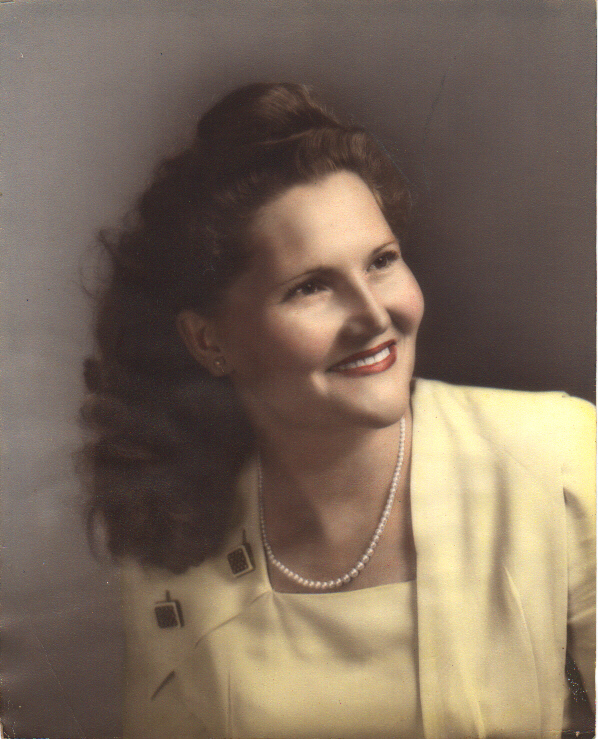
When I was interviewing for the position of rector here at The Church of The Ascension, I had to meet many people. All those names and faces of people on the search committee and the vestry, and I tried to remember all of them, but one stood out. The one person who instantly I connected with, even before she made a really awful pun, the person that I connected with and knew was going to be my friend, was Judy Berglund.
I think that many people here could probably say the same thing about when they entered this church. What I have discovered over this past year and a half since that first meeting with Judy, is that that special connection that we made almost instantly, wasn’t because I was special, it was because Judy was.
It was because among Judy’s talents, among those things that she was good at, was making that connection with people, and doing it quickly.
She could talk to anybody, at length, about anything… another one of Judy’s talents.
She knew every person that walked into that door. She knew if you were new. She was fearless about talking to people and bringing them in. It was her mission to make sure that every person that came into this place felt cared for, felt respected, felt loved, felt welcomed. Judy did that to the utmost degree. For so many of us she made this place home.
She was an imposing presence, but a benevolent one. Her smile could fill the room, as it frequently did. Her voice and her grand manner and way of being, always just filled this space and filled it with such love and exuberance, because she was exuberant about God, about her life, about the people she loved.
Judy was a lover of many things: she was a lover of people, she loved culture, she loved music, arts, history, there were so many things that she loved. When I was thinking of Judy and reflecting on her and all of her loves, the thing that stood out above many of the others was that Judy was such a lover of words. Words and language were Judy’s currency. She loved words, she showered her bountiful vocabulary on people she loved. She crafted words. If you didn’t already k now that she was a poet and could recite poetry, off hand, any moment, not only her own poems but any poem she had ever learned, then you will learn it today in a few moments when we read one of Judy’s poems.
Judy understood that although words could sometimes be cheap, words could also be priceless. We all know that Judy agonized over the words that she used. Its no accident that she spent so many years editing The Witness, and so many hours each and every month trying to make sure that it was just perfect visually and that all the words and grammar were perfect. This was endless amusement for those of us who sometimes goaded her and teased her by making small suggestions for changes which would make Judy start all over again and go back to the drawing board. But she knew it was in fun and she knew how much we loved and respected the enthusiasm that she put into the words that she used. Not just what she wrote, but what she said and what she sang. Judy paid attention to all those words: she listened to the poetry in all of the music that we sing, the message that was behind them. She paid attention to the message that was behind everything that she said to another person. If she loved you, if she was proud of you, Judy would shower you with praise and compliments. Words were Judy’s currency and she spent lavishly.
Judy was also a bit eccentric, as I think we all know, which perhaps made her the perfect cheerleader for this place. She was also not at all afraid of laughing at herself and her own eccentricities. Judy was somebody that appreciated the power of humor and the importance of being able to laugh at yourself. Judy was very good at laughing at herself: about her own foibles, her own adventures and misadventures. I am sure that there isn’t a person in here who doesn’t have a story about an adventure or a misadventure with Judy.
It was in my first summer here that Judy invited me to come out to Greenport for the maritime festival. We would go out and stop at some farm stands, have some lunch, perhaps meet up with Bill Cooper and with Stu, and of course the trip ended up being one thing after another, as it always was with Judy:
It was the waitress putting the menu behind her head and asking her what she wanted. It was here GPS coming on and speaking loudly in German. It was her sitting down at lunch and immediately knocking over her ice water, sending a cascade in Bill Cooper’s direction, at which he had to jump up and run away, which was the first of 4 times that day that Judy would knock over her drink. We had no end of amusement at that and then later on when she joined me for Thanksgiving dinner I made sure that her drink was served in a sippie cup, which amused Judy immensely.
I still have the sippie cup and I dug it out the other day and I thought: what a priceless moment, and what a priceless memory that is of Judy and how typically Judy that was: to have funny things happen and to be able to stand back and to laugh about it. To not take oneself so seriously. I treasure that, and I treasure all of the stories of the things that happened before I came here: the plays and her bad Swedish accent, all of the things that Judy participated in and loved about this place. The things that she did that contributed to making this place what it is.
Judy used the gifts that God had given her: her gifts for language, her gifts for connecting with people, for speech, for talking with people, she used those things to build up this little corner of God’s kingdom. She used them as an evangelist to spread love and cheer to people: to make sure that people who were shut in or at home heard that cheery chipper voice on the other end of the phone. I miss that voice. I miss that “cheerio” that she would always say and write. That upbeat spirit, that smile that she had, that appreciation she had for each and every person here. She used that to build this place up. I have to say that the two greatest joys in Judy’s life: one of them, was Kendal, her niece, the other one was this place and all of the people in it.
When Judy had been diagnosed, and it was looking that this was going to be serious, one afternoon she called me up out of the blue in tears. She said: “I want you to make sure, that you tell them what a special place this is, and has been to me. They don’t know how special that place really is, and I want you to tell them how special they really are.”
Judy was right. I think that I can speak on behalf of every person here when I say:
You were right Judy, this place is special… and thank you for helping to make it so.
Well done good and faithful servant.
 Inwardly Digest
You must be logged in to post a comment.